Song Meaning
The lyrics paint a disorienting picture of detachment and a desperate craving for attention amidst chaos. The opening lines, "I'm pressed against a window / Flat / With a broken nose," immediately establish a sense of physical and emotional damage, a warped perspective on reality. This feeling is amplified by the jarring juxtaposition of personal injury with external violence: "Rhinoplasts and the bombs blastin'." The narrator seems to be observing a grotesque spectacle, questioning who profits from this shared trauma, asking, "Who's scalping tickets for this show?"
The central tension lies in the narrator's desire to be seen and validated, even if it means embracing a victimhood that guarantees sympathy. The imagery of "Lines round the block in / Circles / A Human Centipede" suggests a disturbing, dehumanizing collective experience. The narrator explicitly states, "I wanna be the victim / Who gets the most sympathy," revealing a profound need for recognition, even through suffering. This yearning is further complicated by a rejection of genuine connection or learning, as seen in "Don't reward my participation / Or teach me about masturbation," indicating a desire for a superficial, attention-grabbing role rather than authentic engagement.
The most striking aspect of the craft is the narrator's escalating sense of unreality and non-existence. Phrases like "I don't have to be real" and the repeated, emphatic declaration "I'M NOT EVEN HERE" highlight a profound dissociation. This is mirrored in the observation of media figures who "haven't said a word" yet are "Squawkin'," suggesting a world where image and noise supersede substance. The lyrics question the authenticity of public figures and the nature of their influence, asking, "How did you get your foot in the door?" This existential crisis culminates in the inability to process or engage with the world, as the narrator declares, "I don't wanna hear? / No I can't hear."
Ultimately, these lyrics resonate because they capture a feeling of being overwhelmed and invisible in a sensationalized, violent world. The narrator’s struggle to find meaning and recognition, even through manufactured victimhood, speaks to a modern anxiety about authenticity and presence. The deliberate fragmentation and the repeated, desperate cries of non-existence create a powerful, unsettling portrait of someone lost in the noise, desperately seeking a signal that they matter.
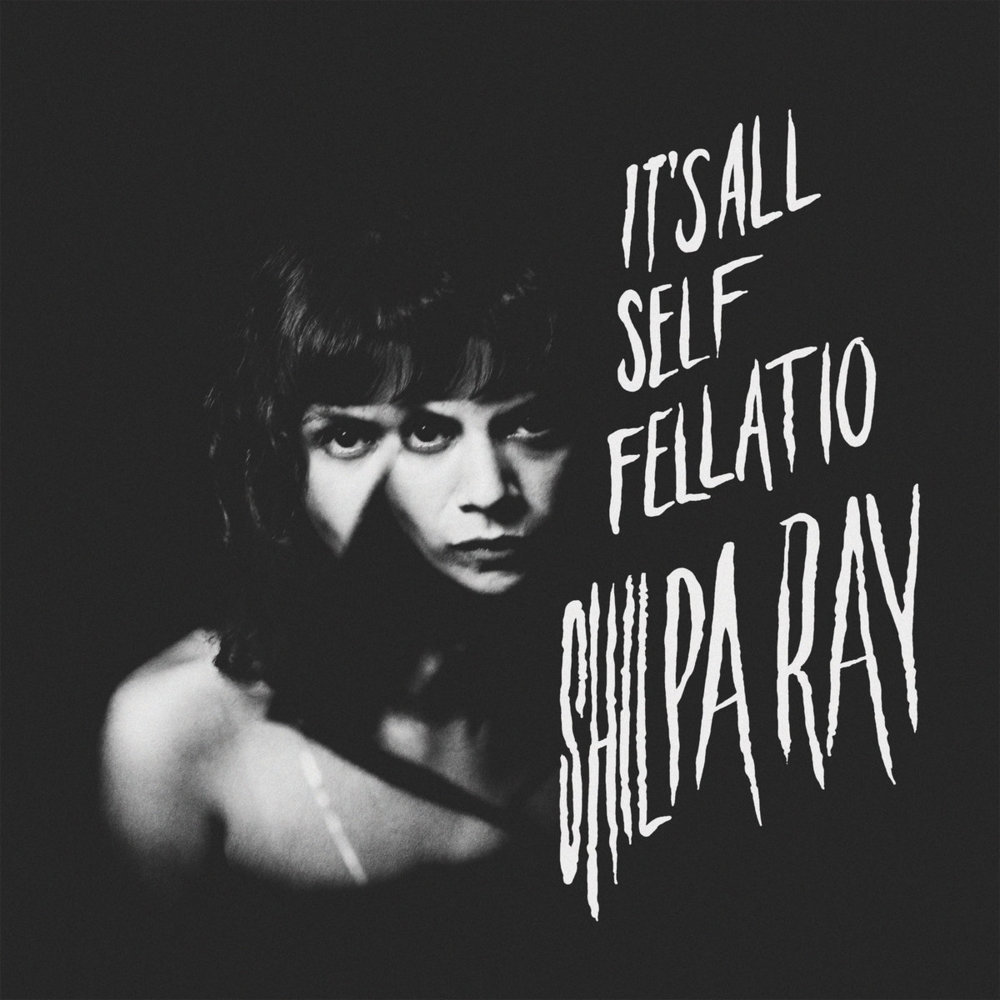
 View Artist