Song Meaning
The lyrics to "Khayneen" immediately plunge us into a scene of profound betrayal. The speaker directly commands their eye, "يا عين ما تبكيش" (oh eye, don't cry), a desperate plea against overwhelming grief. This isn't just sadness; it's a bitter refusal to shed tears for "قلوب ما تساويش" (hearts that are worthless). The emotional texture is raw and defiant.
A central tension emerges from the speaker's disbelief and pain. They repeatedly question, "باعوا ليه عشرة بقالها سنين؟" (Why did they sell a companionship of years?). This isn't a simple breakup; "sold" suggests a calculated, cold exchange, devaluing a long-term bond. The subsequent "خانوا ليه وفاتوك يا قلبي لمين؟" (Why did they betray and leave you, oh my heart, to whom?) underscores the abandonment and vulnerability, leaving the heart in "حيرة ومرار وعذاب" (confusion, bitterness, and torment).
The most striking craft element is the speaker's internal dialogue. By addressing their "eye" and "heart" directly, the lyrics externalize a deeply personal struggle. This creates an intimate, almost confessional tone, as if we're privy to their rawest thoughts. This self-address contrasts sharply with the harsh, definitive judgment leveled at the betrayers, whose hearts are deemed "ما تساويش" (worthless), a powerful dismissal of those who caused such pain.
The effectiveness of these lyrics lies in their stark emotional honesty and strategic repetition. The recurring chorus acts as a bitter mantra, reinforcing the core message of betrayal and the futility of tears for such individuals. The contrast between the past, where the betrayers "كانوا في يوم أقرب من الدنيا ليك" (were once closer to you than the world), and their present cold departure, "ما خافوش يا قلبي عليك" (didn't fear for you, oh my heart), amplifies the depth of the wound. The lyrics capture the difficult process of grappling with profound hurt while trying to reclaim a sense of self-worth.
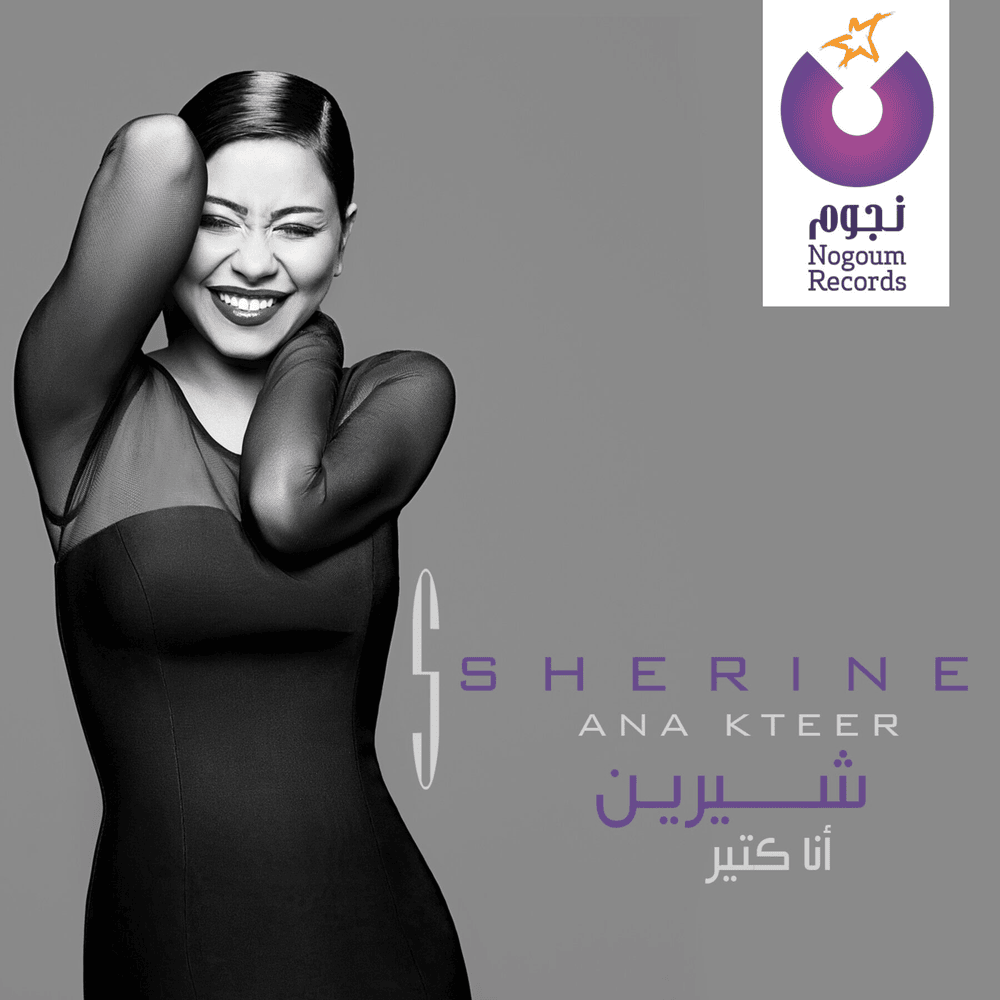
 View Artist