Song Meaning
The narrator is convinced everyone around them harbors malicious intent, seeing threats in everyday actions like coffee and oatmeal. This pervasive suspicion is so intense that even smiles are perceived as veiled hostility, and the narrator believes others wish for their demise. The lyrics paint a picture of someone utterly consumed by a sense of being targeted, where every interaction is interpreted through a lens of deep-seated paranoia.
The core tension arises from the disconnect between the narrator's internal reality and the perceived external world. While "everybody says I'm paranoid," the narrator insists on the literal truth of these perceived attacks, listing specific, bizarre acts of sabotage. This creates a chilling effect, as the listener is forced to question whether these are genuine delusions or a desperate, albeit extreme, attempt to articulate a feeling of being fundamentally unsafe and attacked by those closest to them.
The most striking element is the abrupt shift from external accusations to deeply personal, almost absurd, family history. The desire for a "little girl" or "twins" and the grandfather's admiration for Hitler suggest a complex web of familial expectations and judgments that may have contributed to the narrator's fractured sense of self-worth. This pivot suggests the paranoia might stem from a lifetime of feeling inadequate or fundamentally flawed in the eyes of those who should have been supportive.
This writing is effective because it weaponizes absurdity to convey profound psychological distress. The over-the-top imagery of "spiders in my tennis shoes" and "shit in my pecan pie", while outlandish, underscores the narrator's absolute conviction. The repeated assertion, "I know I know I know," at the end, serves not as a plea for understanding, but as a defiant, albeit tragic, declaration of their inescapable reality.
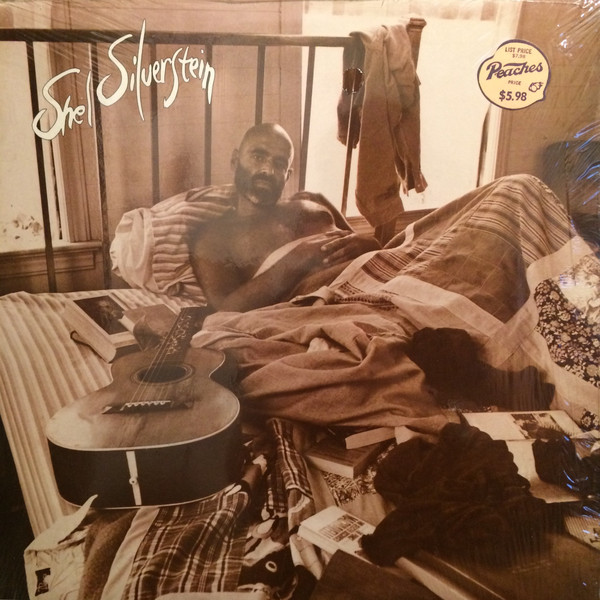
 View Artist