Song Meaning
The lyrics paint a stark picture of emotional disconnect, where one person pours out their heart while the other drowns their feelings in alcohol. The narrator is deliberately obtuse, admitting to being "too callous to give a damn, too callous to even think." This isn't just apathy; it's a chosen defense mechanism against genuine emotional engagement. The contrast between the partner's perceived sensitivity – feeling "electricity" and crying over a movie – and the narrator's profound detachment, finding only a "draft" and amusement at tragedy, highlights a fundamental chasm.
The core tension lies in the narrator's inability or unwillingness to reciprocate emotional depth, even as they feign interest. They deflect genuine connection with superficial conversation starters like "birthstones" while their mind drifts to morbid thoughts of "headstones." The repeated plea, "Tell me what you want to hear, I'll tell you what you know," reveals a transactional approach to relationships, where authenticity is sacrificed for a hollow semblance of agreement. This is underscored by the confession, "I found my soul, but lost my heart many years ago," suggesting a deep-seated emotional damage that prevents true connection.
The recurring motif of "Lulu Roman sang of Jesus and the Lord" serves as a powerful counterpoint to the narrator's ennui. While the partner finds the performance "too bizarre," the narrator's response is simply "bored." This isn't just a difference in taste; it signifies a profound inability to connect with anything that might evoke spiritual or emotional resonance. The narrator seems to actively resist anything that could potentially stir them, preferring the numb comfort of detachment. The imagery of "looking for an ashtray" versus "looking for your shoes" further emphasizes their divergent priorities – one focused on decay and the other on escape, both signaling a relationship in disarray.
Ultimately, the effectiveness of these lyrics stems from their unflinching portrayal of emotional self-sabotage and the resulting alienation. The narrator is acutely aware of their own failings, even mocking the partner's desire for a reaction: "Do you wanna see me angry? Do you wanna see me cry?" They understand the performance expected of them but choose a path of calculated indifference. The final lines, "We both had good intentions, but they just fell between the cracks," and the prediction of future resentment, "you'll hate me as you did before," cement the sense of a relationship doomed by the narrator's internal emptiness.
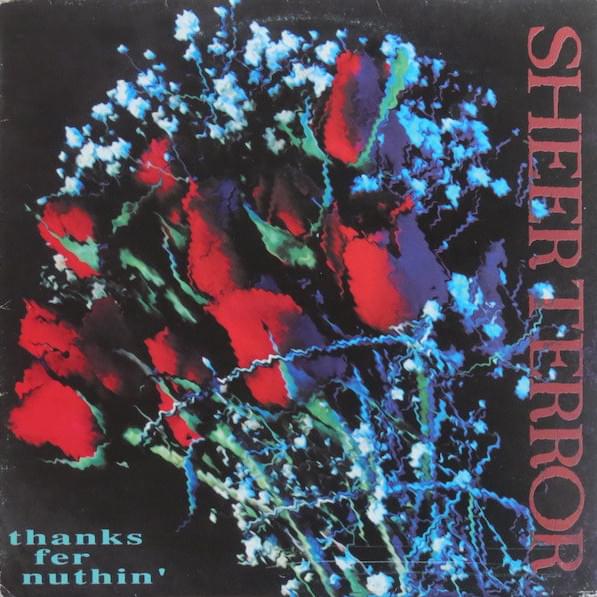
 View Artist