Song Meaning
Sheena Easton's "Moody (My Love)" isn't a simple love song; it's an intimate portrait of emotional addiction. The core tension lies in the push-and-pull dynamic of a relationship defined by extreme highs and lows. Easton doesn't shy away from acknowledging the toxicity – "Other days he's bad to me / Tries to hurt me endlessly" – yet, disturbingly, she frames it as an integral part of the connection. The repeated line "My moody, my love" isn't an endearing term, but rather an acceptance, even an embrace, of instability. It suggests a perverse comfort found within the chaos. The "moody" nature of her love interest becomes a defining characteristic, almost a twisted badge of honor. The very qualities that should repel her are, instead, the siren call she can't resist. This is a classic pattern of seeking validation through intermittent reinforcement, where the occasional "good" days are amplified by the preceding "bad" ones, creating a powerful, albeit unhealthy, bond.
The lyrics reveal a disturbing cycle of self-deception. She claims "I don't hurt that easily," but the very existence of the song argues otherwise. It's a defense mechanism, a way to rationalize staying in a situation that objectively causes pain. The lines "When I walk out the door / And I'll never go wrong again / I go back for more" expose the core of the song's tragic narrative: the awareness of a healthier path juxtaposed with the inability to take it. The "longing" she describes isn't necessarily for the person, but for the intense emotional stimulation – the rollercoaster – that the relationship provides. This speaks to a deeper psychological need, perhaps a fear of stability or a distorted view of what constitutes love.
Ultimately, the song meaning of "Moody (My Love)" resides in its unflinching portrayal of codependency. Easton captures the subtle ways in which we can become entangled in destructive relationships, rationalizing abuse as love, and mistaking emotional volatility for passion. It is a stark reminder that love, in its healthiest form, should not require enduring constant pain or sacrificing one's well-being for fleeting moments of affection. The song serves as a cautionary tale, inviting listeners to examine their own relationships and question whether the highs are truly worth the lows.
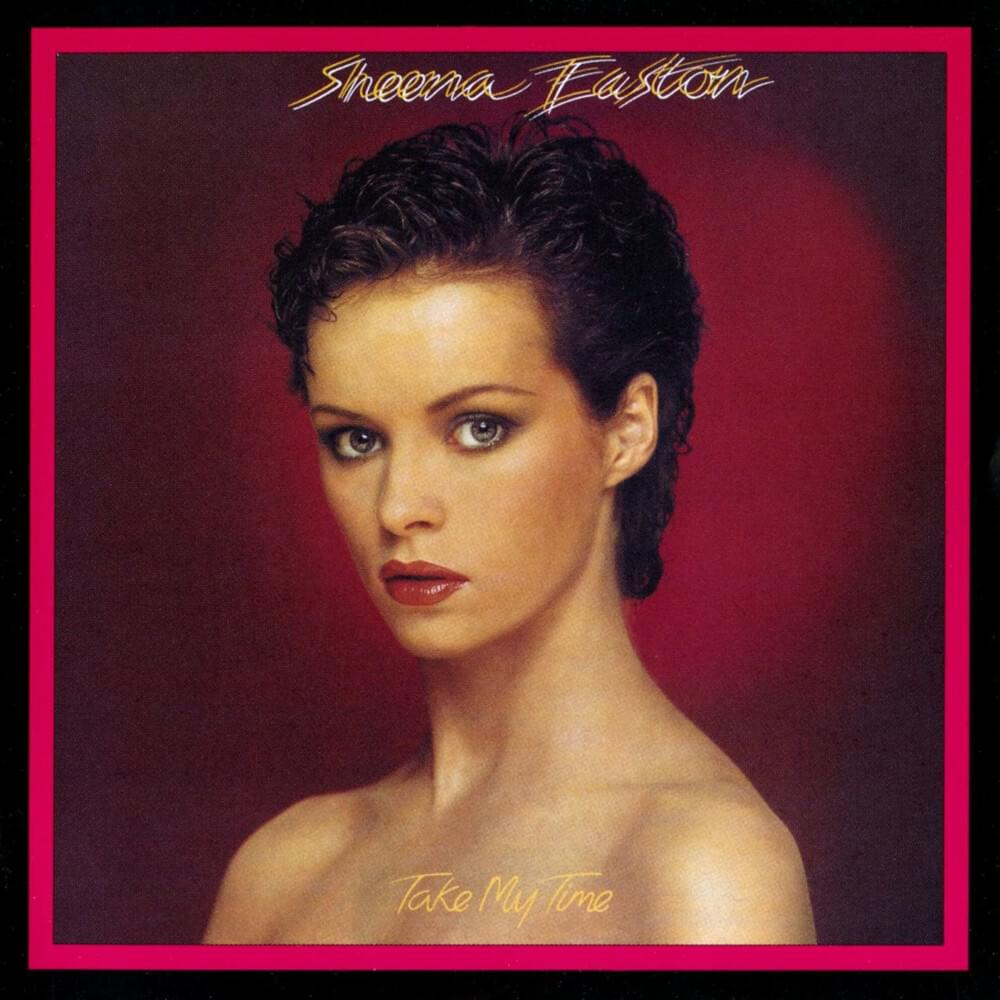
 View Artist