Song Meaning
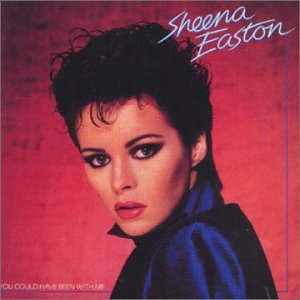
Sheena Easton's "I'm Not Worth the Hurt" is a masterclass in preemptive heartbreak, a sophisticated kiss-off delivered with a melancholic edge. The song meaning hinges on the narrator's self-awareness – a brutal honesty about her own capacity (or lack thereof) for sustained reciprocation. She's not necessarily malicious, but acutely conscious of the inevitable pain she will cause a suitor. It's a fascinating twist on the standard love song, flipping the script to reveal the quiet cruelty of mismatched affections. The core idea isn't about unworthiness in a general sense, but about a specific relational incompatibility; "It's just not me that you need in your life." The lyrics paint a picture of someone emotionally unavailable, or perhaps simply unwilling to commit, recognizing the disparity between the other person's burgeoning feelings and her own emotional plateau.
The recurring lines, “I’m not worth the hurt you’re gonna feel,” aren't a plea for validation, but a cold, hard assessment. It’s a preemptive strike against future disappointment, delivered with a touch of weary resignation. The narrator acknowledges the allure she possesses – "Why does your heart have to beat for me / Make you want what can never be?" – but refuses to capitalize on it, seemingly out of a sense of responsibility, however detached. This isn't about playing hard to get; it's about setting clear boundaries, even if those boundaries inflict immediate pain. The repetition of advising the other person to "go find someone else to love tonight" underscores the urgency and finality of her decision.
Ultimately, "I'm Not Worth the Hurt" explores the complex dynamic of attraction and the often-unspoken truth that love, or at least infatuation, isn't always enough. The song sidesteps the usual tropes of romantic longing, instead offering a pragmatic, almost clinical dissection of a doomed relationship. It's a poignant reminder that sometimes the most compassionate act is to walk away, even when the other person is desperately clinging to the hope of something more. Sheena Easton delivers a painful truth about the asymmetry of desire and the internal calculus of the heart, offering a stark contrast to simpler, more optimistic love songs.
 View Artist