Song Meaning
Sheena Easton's stark performance of "Placeholder" on CBC Radio in 1986 is a masterclass in emotional severence, a psychological reckoning delivered with chilling precision. The lyrics paint a portrait of a relationship not just ending, but being actively erased. It’s a scorched-earth policy of the heart, where the speaker vows not merely to leave, but to calcify, to "turn to stone" rather than succumb to lingering sentiment. This isn't the messy, tear-stained goodbye of a love lost; it's a deliberate act of self-preservation, a preemptive strike against future vulnerability. The repetition of "You are not my love" isn't a declaration to the departed, but a mantra, a self-hypnotic suggestion designed to cauterize the wound.
The insistence on uttering "the words you would have me say" hints at a power imbalance, a relationship where the speaker's voice was suppressed, their feelings dictated by the other. Now, in the act of leaving, they are finally reclaiming their narrative, weaponizing the other's expectations against them. It's a fascinating twist – using the very language of control to achieve liberation. The line "It will be as if we never met" is particularly brutal, suggesting a complete rejection of the shared past, a denial of its very existence. This isn't simply moving on; it's an attempt to rewrite history, to excise the other person from the speaker's personal timeline.
Ultimately, "Placeholder" is a song about radical self-reliance in the face of heartbreak. It's a testament to the human capacity for emotional resilience, the ability to shut down, to compartmentalize, to build walls around the heart in order to survive. While the lyrics may seem cold and unforgiving, they also reveal a deep understanding of the self, a recognition of the need to protect oneself from further pain. The final lines, "I will close my eyes / I will love no more," are not an admission of defeat, but a declaration of independence, a refusal to be defined by a love that has caused so much damage.
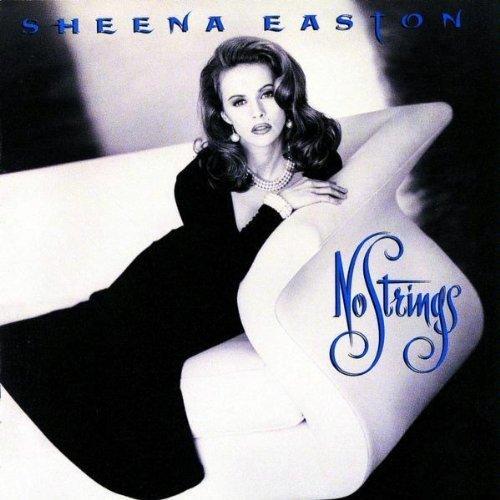
 View Artist