Song Meaning
The lyrics paint a stark picture of finality, framing the present moment as a "film of my death" where the speaker is "the only one left." There's a sense of resignation, a quiet surrender to an inevitable end, as the repeated "Let it all come down" suggests. The setting is a "confiscated house," implying a loss of control and ownership over one's domain, a place now occupied by forces beyond the speaker's influence. This isn't a dramatic struggle, but a somber acknowledgment of what has been lost.
The dominant tension arises from the contrast between past efforts and present desolation. The speaker urges others to "Carry the work we have done" and "Carry the plans we have laid," highlighting a legacy they desperately want to preserve. Yet, this is immediately undercut by the heartbreaking admission, "I tried my best / But there's so little left." This creates a profound sense of unfulfilled potential and the tragic realization that despite their efforts, the outcome is ruin.
The most striking imagery appears in the latter half, envisioning nature's indifferent reclamation of what was once human-made. "Someday the crows will couple in our ruins" and "the milkweed will bloom in profusion" offer a vision of life continuing, even thriving, in the speaker's absence and decay. The final lines, "When I'm swept with the clover and tarragon / Slumbering under the lawn," poetically describe the speaker's ultimate dissolution into the earth, becoming one with the very landscape that will outlast them.
This piece resonates because it captures the quiet dignity of facing oblivion, not with anger, but with a plea for remembrance and a recognition of nature's enduring cycle. The effectiveness lies in its grounded, almost mundane imagery of "blocks" and "lawn," juxtaposed with the grand, existential pronouncements of death and legacy. It’s the small, specific details that make the vastness of loss feel so personal and poignant.
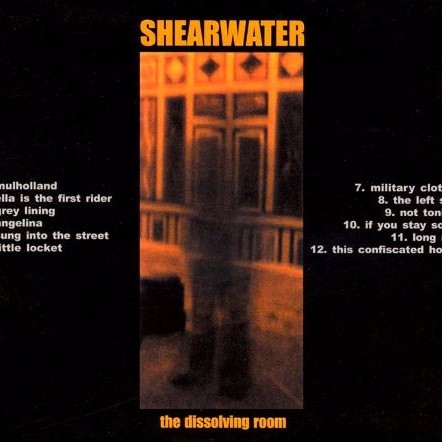
 View Artist