Song Meaning
The lyrics grapple with the nature of belief and understanding, suggesting that while God might exist solely within the mind, this internal reality is potent and valid. The assertion that "to feel and believe otherwise / Is natural" hints at a tension between objective reality and subjective experience, but ultimately frames these differing perspectives as a normal part of human existence. This sets up the central refrain, "That's no reason to cry," which acts as a mantra against succumbing to despair or distress over these existential uncertainties or disagreements.
The core conflict seems to stem from a struggle to reconcile internal perception with external understanding, particularly concerning "all this speaking" and the abstract "little boats rising." The mention of "Encephalon ranging through time" and the parenthetical "(You're wrong, you're right)" point to a complex, perhaps even contradictory, landscape of thought and communication. The narrator appears to be urging acceptance, or at least a lack of emotional turmoil, in the face of this inherent ambiguity and the inability to fully grasp or align with it, especially when confronted with someone who "won't look in its eyes."
The most striking craft element is the persistent, almost insistent, repetition of "It's no reason to cry." This phrase functions as an anchor, attempting to ground the listener amidst the abstract philosophical musings and the acknowledgment of differing viewpoints. The imagery of the moon and wind, coupled with the inability to see, creates a mood of obscured perception, reinforcing the idea that clarity is elusive. The final questions, "Where does your mind go?" and "How do you fall in step / With all this speaking?" leave the listener contemplating the very act of comprehension and connection in a world where certainty is not guaranteed.
Ultimately, the effectiveness of these lyrics lies in their quiet insistence on emotional resilience in the face of profound uncertainty. By repeatedly stating that disagreements and lack of understanding are "no reason to cry," the song offers a form of solace, not by providing answers, but by validating the struggle itself. It suggests that navigating the complexities of belief and perception, even when feeling lost or unable to connect, is a natural, albeit challenging, human experience that doesn't necessitate profound sorrow.
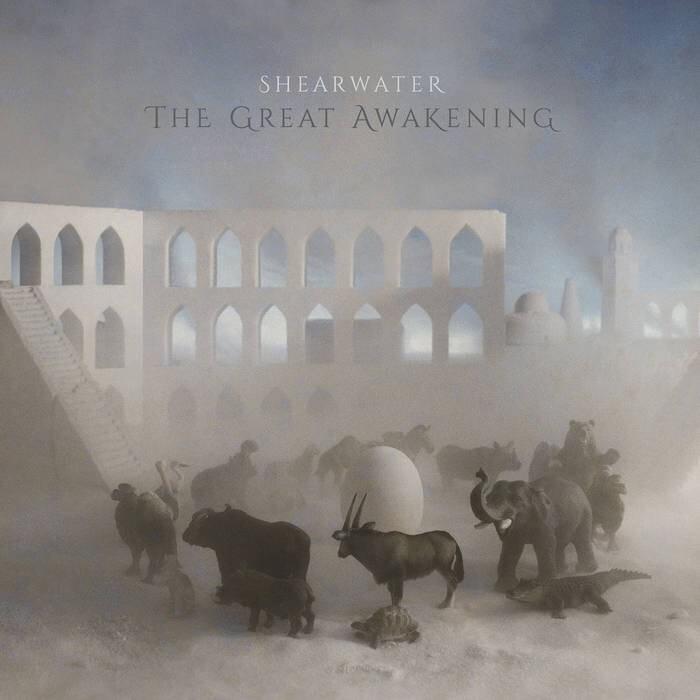
 View Artist