Song Meaning
Shawn Mullins's "Everchanging World" is a deceptively simple meditation on love, loss, and the enduring power of memory. The opening verse, stark and tragic, introduces a young man driven to suicide, seemingly by a potent cocktail of romantic longing and the crushing weight of the past. The "burning bridge" acts as a potent metaphor for irreversible decisions and the destructive potential of unchecked emotion. This image is then subtly echoed later in the song, but with a crucial difference: the woman flings a bouquet, not herself, suggesting a move toward healing and acceptance, rather than self-destruction. This shift is the heart of the song's complex emotional landscape. The lyrics suggest that while loss and change are inevitable aspects of life, they don't necessarily have to lead to despair. Instead, they can be navigated, perhaps even softened, by the enduring presence of love.
The recurring chorus, "You and I together till we die," initially sounds like a straightforward declaration of commitment. However, within the context of the surrounding verses, it takes on a deeper resonance. It's not just a promise of lifelong devotion, but a recognition that human connection is the anchor that keeps us grounded amidst the constant flux of existence. The "place that we used to know" likely symbolizes a shared past, a repository of memories that provide comfort and stability. The lines, "living learning loving / You is all I have to know" speak to the essential, almost primal need for connection in a world that is constantly shifting beneath our feet. Love, in this interpretation, becomes a form of knowledge, a way of understanding and navigating the complexities of the human experience.
Mullins's song meaning in "Everchanging World" also subtly acknowledges the bittersweet nature of nostalgia. The "sweet sweet sound of the lost and found" and the "nursery rhymes of my childhood days" evoke a longing for simpler times, a yearning for the innocence and security of the past. Yet, the song doesn't wallow in sentimentality. It recognizes that we can't truly return to those bygone days. Instead, it suggests that the memories themselves can serve as a source of strength and inspiration, informing our present and shaping our future. The repetition of "I used to love" hints at the lingering presence of past relationships, not as sources of regret, but as integral parts of the emotional tapestry that makes us who we are. Ultimately, "Everchanging World" is a nuanced exploration of the human condition, acknowledging the pain of loss and the inevitability of change, while simultaneously celebrating the enduring power of love, memory, and connection.
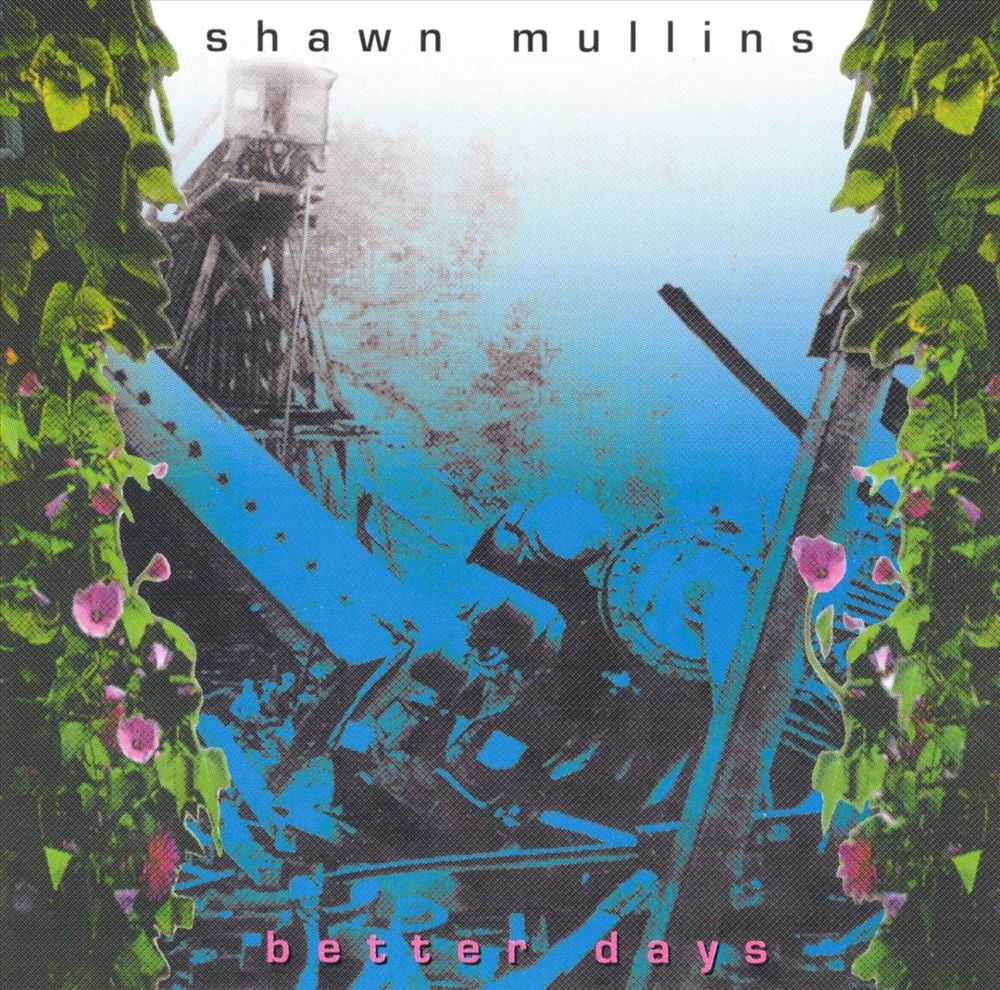
 View Artist