Song Meaning
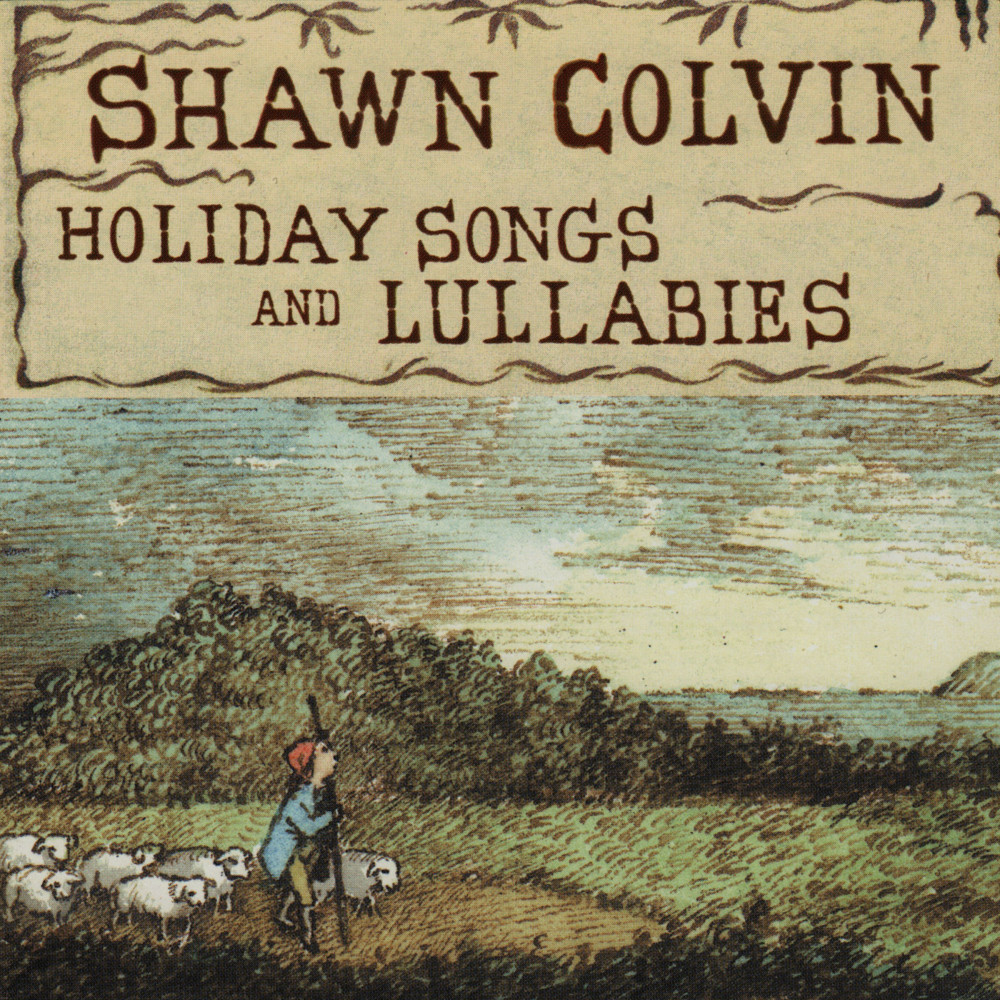
{"song_id": 15745238, "meaning": "Shawn Colvin's \"The Christ Child's Lullaby\" isn't just seasonal sentimentality; it's a sophisticated meditation on nascent potential. The lyrics, a seemingly simple series of devotional observations, subtly unpack the complex relationship between innocence and destiny. Colvin isn't merely singing about a baby; she's exploring the idea of inherent grace, the notion that potential resides within us from the very beginning. The repetition of \"Though but a tender babe thou art, The graces all grow up with thee\" underscores this central theme, suggesting a preordained unfolding of virtues. It's a deeply comforting thought, especially in a world obsessed with achievement and external validation. Perhaps Colvin is suggesting that our inherent worth isn't something we earn, but something we are born with. The opening verses, with their \"Oh dear\" refrains, feel both intimate and expansive, addressing both the child and the cosmic forces surrounding it.
The juxtaposition of gentle imagery—\"the eye that softly looks,\" \"the heart that fondly loves,\" \"the rain that softly falls\"—with the implicit power of the \"wind that pulls the trees\" adds a layer of complexity. It speaks to the dual nature of existence: tenderness and strength, vulnerability and resilience. These elements are not presented as opposites, but rather as interconnected facets of a single being, suggesting that true power lies in embracing both. This is a lullaby, yes, but it's also a potent statement about the enduring strength found in quietude. It's a reminder that even in moments of apparent fragility, the seeds of profound growth are already sown.
Ultimately, \"The Christ Child's Lullaby\" transcends its religious context. It becomes a universal reflection on the inherent goodness and potential within every individual, regardless of age or circumstance. The \"sweet night\" and \"star that truly shines\" aren't just biblical allusions; they're metaphors for the hope and promise that accompany every new beginning. Colvin's delivery, with its characteristic warmth and understated power, reinforces this message, transforming a simple lullaby into a profound statement about the enduring power of grace."}
 View Artist