Song Meaning
The lyrics paint a vivid picture of a woman, Jacira, navigating the early morning hours in a vibrant, crowded urban environment. Her skin is described as "cor de madrugada" (color of dawn), suggesting a beauty tied to the liminal space between night and day. The scene is set with a "van lotada" (full van) and the "ritmo favela" (favela rhythm), grounding her in a specific, bustling community. The mention of Caetano Veloso on the radio and a rumbling stomach ("pança ronca") adds sensory details that emphasize a sense of everyday life, struggle, and cultural context.
The central tension appears to be the contrast between the harsh realities of this environment and Jacira's resilience. The bridge poses a question about a "rapaz" (guy) who has lost his joy and peace, seemingly unable to return to something beautiful. This hints at a potential struggle or disillusionment that Jacira, in contrast, seems to overcome. The lyrics suggest a narrative where the external world is demanding and potentially draining, yet there's an internal strength at play.
The most striking element is the repeated assertion that "ela é capricórnio e resolve" (she is Capricorn and she resolves/handles it). This astrological detail is not just a character trait but a declaration of her agency and capability. The phrase "Não deixa a peteca cair jamais" (Never lets the shuttlecock drop) is a powerful idiom for never giving up or letting things fall apart. It frames her as someone who takes charge and finds solutions, regardless of the circumstances.
This lyrical construction is effective because it juxtaposes the gritty, everyday details of her surroundings with an almost mythic portrayal of her inner strength. The repetition of her Capricorn nature and her ability to "resolve" creates a mantra of self-reliance and determination. It’s this blend of the specific and the resolute that makes Jacira a compelling figure, embodying a spirit that can navigate and overcome the challenges implied by the "quebrada" and the "pança ronca."
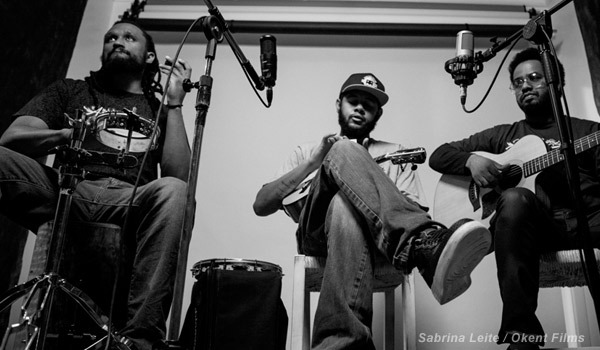
 View Artist