Song Meaning
The narrator declares a definitive end to their emotional investment, stating, "These tears are no longer for you, baby." This isn't just a fleeting thought; it's a hard-won realization after a period of significant heartbreak. The repetition of the chorus hammers home this newfound resolve, marking a clear boundary being drawn in the sand. It’s a declaration of self-possession, reclaiming emotional energy previously spent on someone else.
The core tension lies in the struggle between the lingering pain and the determined effort to move forward. Phrases like "it's so hard" and "I fall apart" reveal the difficulty of letting go, even as the narrator asserts "I know I must Carry on." This internal conflict makes the ultimate declaration of independence feel earned, not simply stated. The parenthetical asides like "(When I think about you, baby)" and "(But don't cry)" offer glimpses into the persistent echoes of the past that the narrator is actively trying to silence.
The most striking craft element is the strategic use of parenthetical phrases, which act as internal monologues or whispered doubts. These asides undercut the confident assertions of the main lyrics, showing the messy, ongoing process of healing. The contrast between the strong, declarative chorus and these vulnerable interjections creates a sense of raw authenticity. It highlights that moving on isn't a clean break but a conscious, often difficult, choice made repeatedly.
Ultimately, the lyrics resonate because they capture the complex reality of emotional recovery. It’s not about erasing memories or feelings, but about redirecting them. The narrator isn't pretending the past didn't happen or that the pain is gone, but rather asserting that the tears shed now are for their own process of healing, not for the person who caused the hurt. This subtle but powerful shift in focus makes the declaration of "no longer for you" deeply impactful.
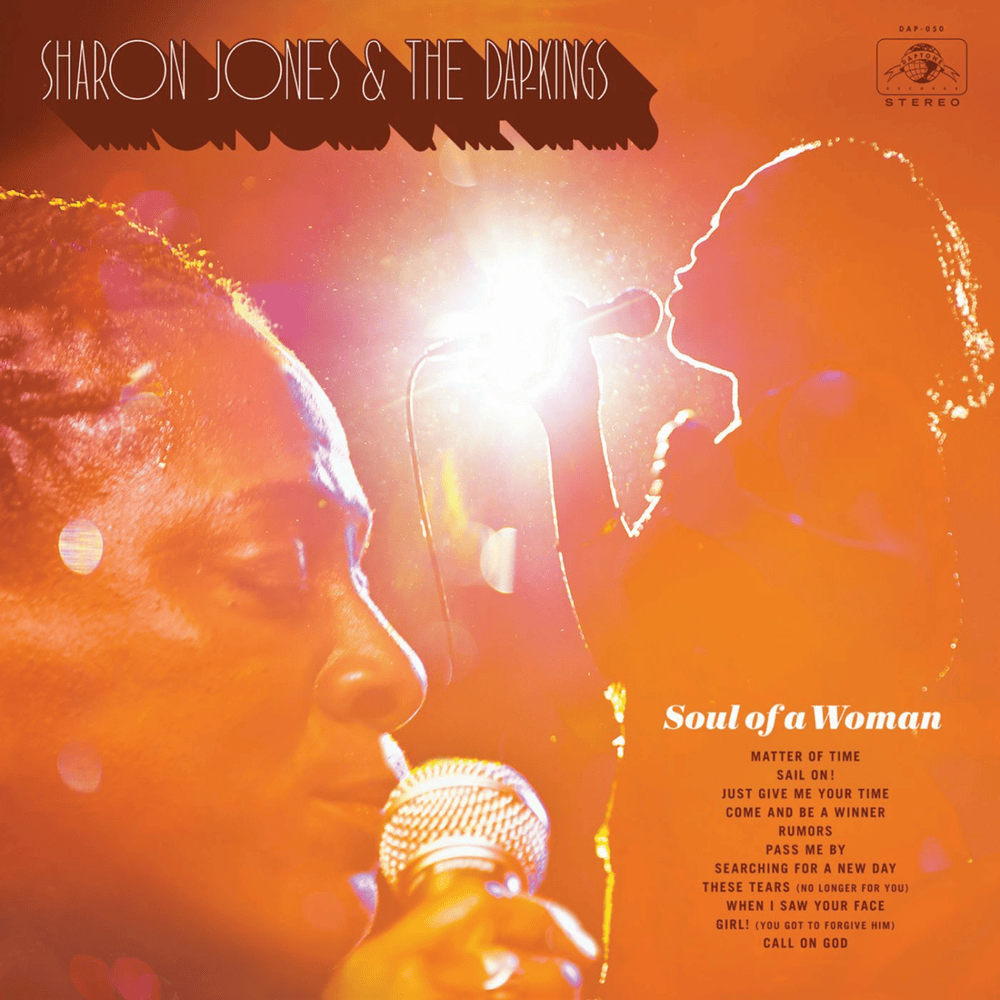
 View Artist