Song Meaning
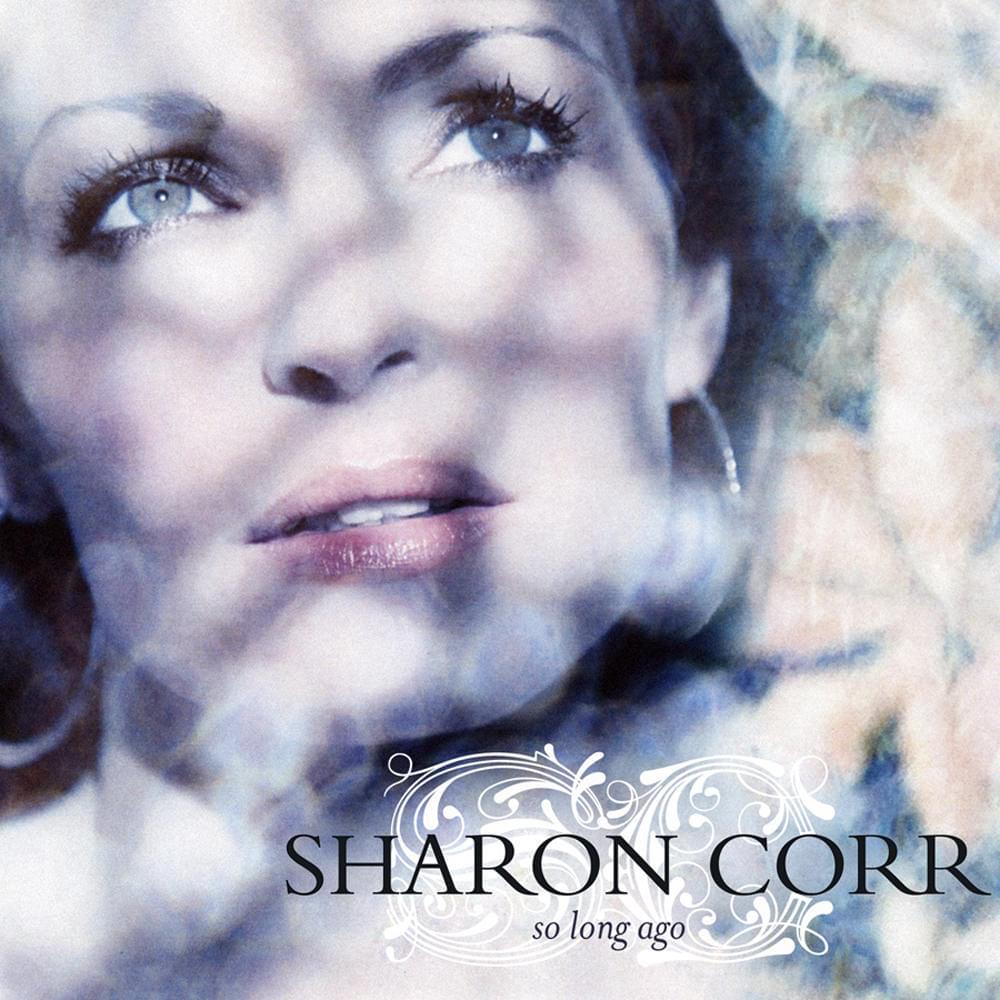
Sharon Corr's "So Long Ago" isn't just a lament; it's a masterclass in emotional self-excavation. The song meaning resides in the raw, unflinching portrayal of grief's most insidious trick: its ability to hollow you out from the inside. The opening lines, "I heard you cry out in your sleep / But I just turned and walked away," aren't just a confession of guilt; they're an acknowledgement of emotional paralysis. The narrator isn't necessarily callous, but depleted, incapable of offering comfort because she herself is running on empty. It’s a brutal honesty rarely heard in mainstream pop. This sets the stage for a deeper exploration of loss.
The chorus, with its haunting repetition of "so long ago / but it's so long forever," perfectly encapsulates the disorienting nature of grief. Time becomes elastic, stretching and compressing in ways that defy logic. The past, though distant, remains eternally present, a constant ache. The narrator's admission, "I'm still wishing you were here once more," isn't a sentimental plea, but a stark acknowledgement of the void that can never be filled. The lyrics hint at a relationship fractured by unspoken pain, or perhaps severed by an event so traumatic it defies easy resolution. The repeated lines, "there's no questions, no answers / That could bring you any hope," speak to a sense of futility, a recognition that some wounds simply cannot be healed.
Ultimately, "So Long Ago" resonates because it dares to confront the darker aspects of loss: the guilt, the emptiness, the enduring ache. It's a song about the long shadow that grief casts, a shadow that can stretch across years, turning moments of joy into painful reminders of what's been lost. The lines, "The sun is shining, I don't see you / The moon is rising, I still need you,” are delivered with crushing simplicity. Corr isn't offering easy answers or platitudes; instead, she provides a space for listeners to confront their own experiences with loss, acknowledging the enduring power of absence and the difficulty of moving forward when a part of you remains tethered to the past. The song’s power lies in its vulnerability and its refusal to offer false hope. It’s a portrait of grief in its most raw and honest form.
 View Artist