Song Meaning
The lyrics paint a stark portrait of a "real live hobo" whose life is defined by the open road and a singular, almost ritualistic decision-making tool: a coin. He lives "on the rails," embracing a life of rootless independence. The repeated mantra, "Do what I want," immediately establishes a defiant, self-directed spirit.
Beneath this rugged individualism, a deeper conflict emerges. The speaker claims his "only fate is head or tails," suggesting a surrender to chance that paradoxically allows him to "Do what I want" without taking full responsibility. This tension is heightened by the revelation of a past family he "left them on their own," hinting at the personal cost of his chosen freedom.
The most striking imagery arrives with the wife's accusation: "you leave us again for that drink you use as a map." This vivid phrase transforms addiction from a personal failing into a guiding force, a perverse compass dictating his direction. It sharply contrasts with the earlier, more romanticized notion of the coin as a neutral arbiter of fate, revealing a darker, more compulsive driver behind his wanderlust. This single line cuts through the hobo's self-justification, exposing the true, often painful, architects of his "fate."
The power of these lyrics lies in their unflinching portrayal of a character caught between a fierce desire for autonomy and the consequences of that choice. The constant refrain of "Do what I want" feels less like a declaration of freedom and more like a desperate justification, especially when juxtaposed with the coin flips and the wife's cutting insight. It's a raw look at how self-determination can morph into self-destruction, all under the guise of fate.
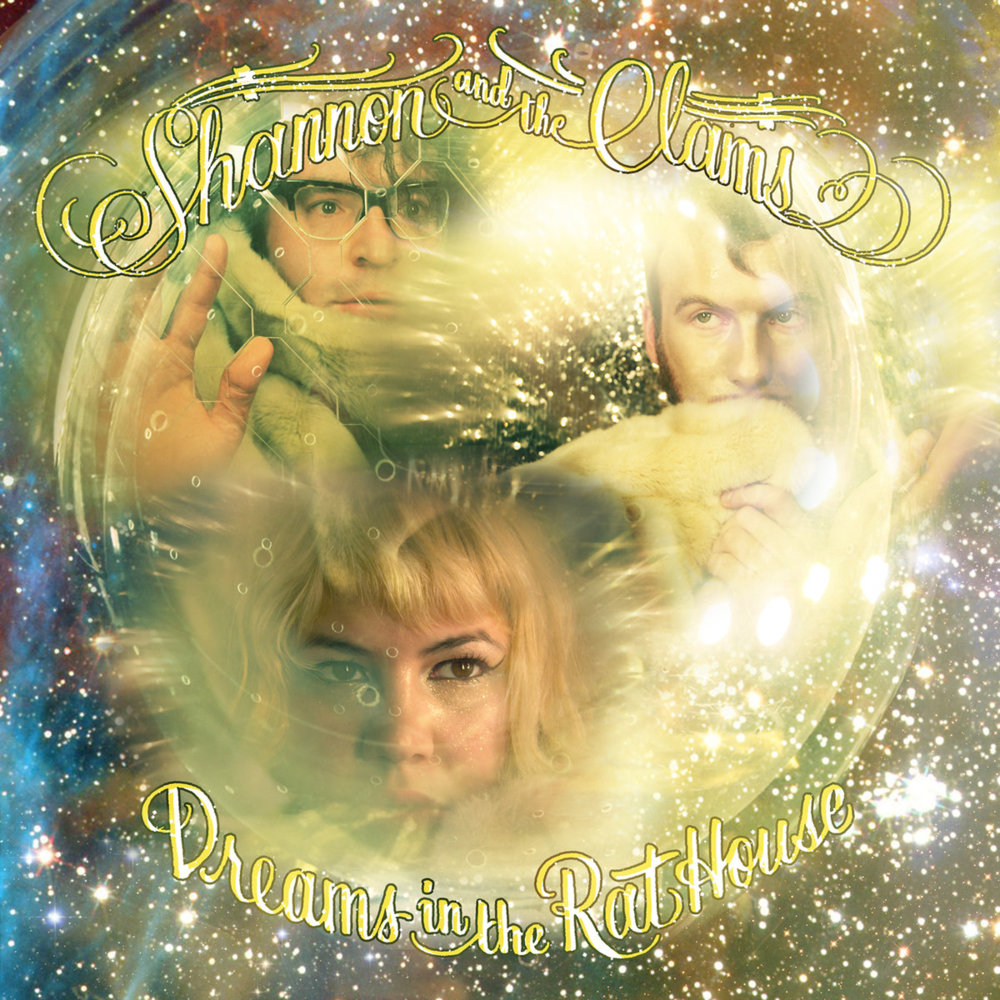
 View Artist