Song Meaning
The lyrics paint a stark picture of impending departure, hinged on a conditional promise. As dawn approaches, one figure prepares to leave, observed by another who feigns sleep. The core statement, "If you're gone / By the dawn / I'll be gone too," sets a tone of quiet, shared inevitability.
A central tension emerges from the clandestine observation. The lines "You thought I was sleeping / But I saw you near" reveal a hidden awareness, suggesting a quiet betrayal or a calculated move. This isn't a direct confrontation; instead, it's a silent acknowledgment of an impending, mutual exit, creating a palpable sense of unspoken understanding and perhaps a touch of resignation. The speaker's departure is not an independent choice, but a direct consequence of the other's.
The imagery of the departing figure is particularly striking. Described as "You're first / As you look through the trees / You crawl / Down from your branch," the lyrics evoke an almost animalistic stealth. This isn't a human sneaking out a door; it's a creature descending from a perch, suggesting a primal, instinctual urge to disappear. This naturalistic portrayal lends a raw, unadorned quality to the act of leaving, making it feel less like a dramatic breakup and more like a quiet, fated migration.
The relentless repetition of the central conditional phrase transforms it into a hypnotic mantra, building an undeniable sense of fate. The final, stripped-down chant of "Gone... I'll be gone too" hammers home the theme of disappearance, making the departure feel less like a choice and more like an elemental force. This craft choice makes the lyrics resonate with a quiet, melancholic power, capturing the profound weight of a shared, inevitable ending.
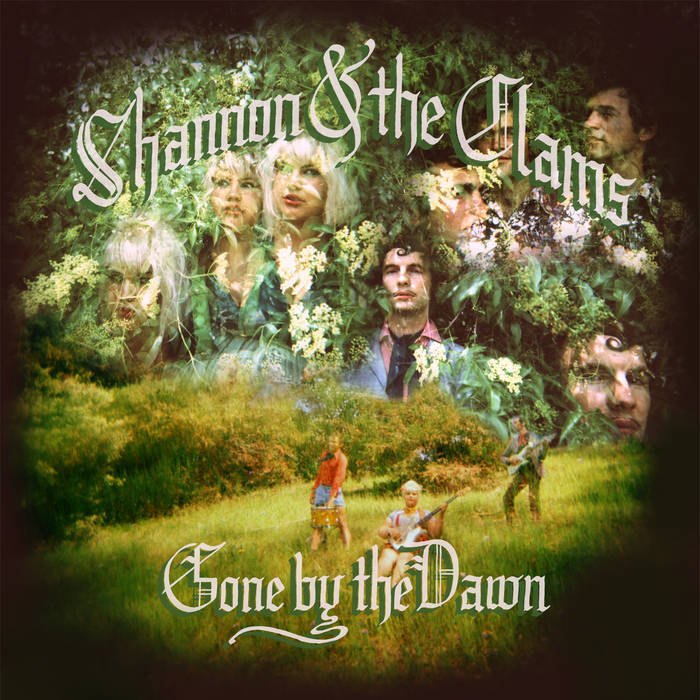
 View Artist