Song Meaning
The narrator initially understood love only through dramatic, often negative, portrayals on screen. She admits to never grasping the emotional weight behind those fictional heartbreaks. That all changed when her own romantic experience mirrored the on-screen melodrama, forcing a painful, personal understanding of love's intensity. This shift from detached observation to visceral experience is the song's starting point.
The central tension lies in the narrator's paradoxical conclusion: the extreme pain she feels is definitive proof of genuine love. The betrayal, described as being "stabbed me in the back" and having her heart "ripped right out," is not seen as an end to love, but as its undeniable marker. This twisted logic highlights a profound, albeit wounded, belief in the power and authenticity of the connection, even in its destructive aftermath.
The most striking craft element is the repeated assertion that extreme suffering equals true love. Phrases like "Musta been love 'cause it hurt so bad" and "Only love'll make you feel like that" create a jarring contrast between the expected joy of love and the actual agony experienced. The lyrics suggest that the intensity of the pain is directly proportional to the authenticity of the love, a concept that redefines the very meaning of the word for the narrator.
This lyrical approach is effective because it taps into a raw, almost defiant, emotional response to heartbreak. Instead of simply lamenting the pain, the narrator weaponizes it, using it as evidence of a profound experience. The final lines, "Thanks a lot for everything / You showed this girl what true love brings," carry a heavy layer of sarcasm, yet they also underscore the undeniable impact the relationship, however damaging, has had on her understanding of love.
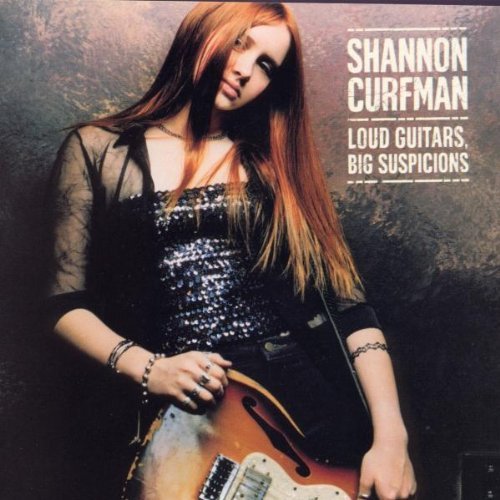
 View Artist