Born To Die
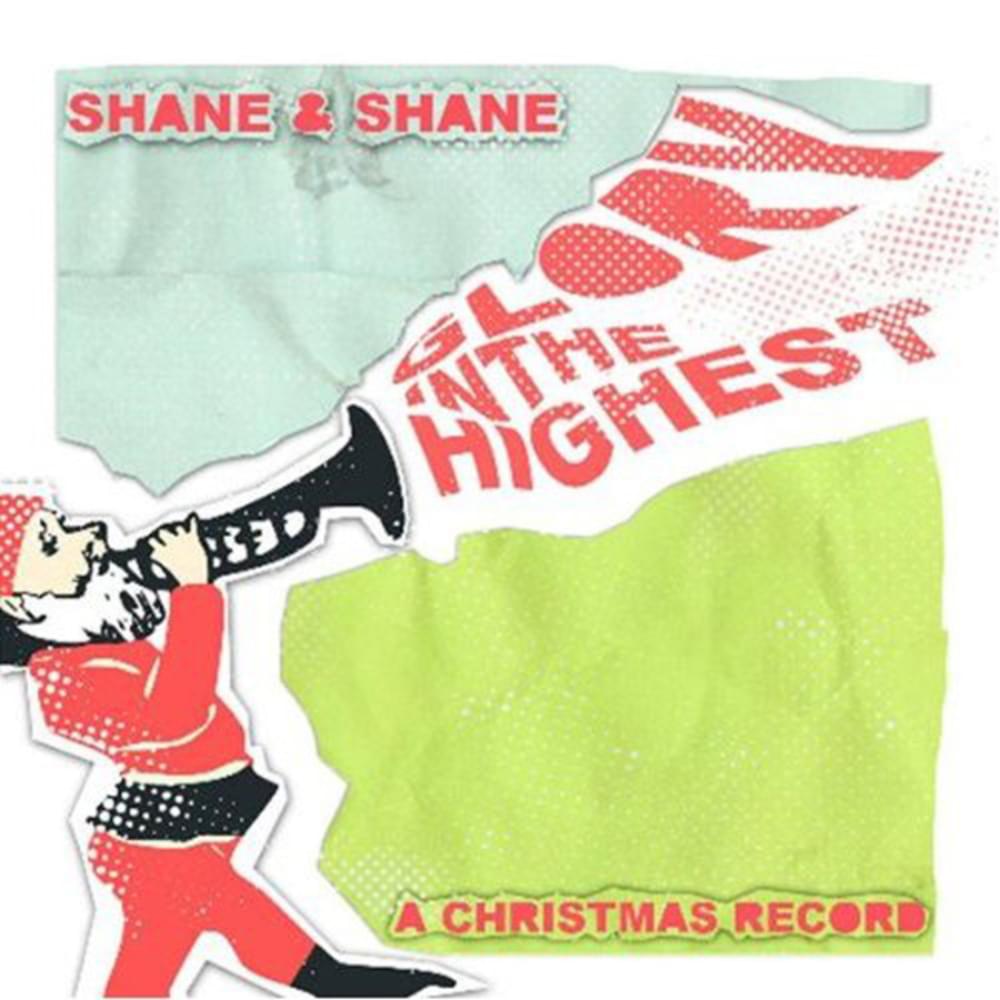
 View Artist
Lyrics
One, two, three When the babe was born In a manger on the hay God saw a veil torn He saw Good Friday He was born to die Gold laid before the Christ Incense, His presence is sweet Myrrh to signify Victory over death's sting He was born to die It came in a dream To Joseph late one night That Herod sought the King But could not take His life He was born to die He said, "You don't take my life You won't take my life You don't take my life I lay it down" We came here today To celebrate His birth But let us not forget Why Jesus came to earth He was born to die He was born to die He was born to He was born to die
Rate this song
0/5.0 - 0 Ratings
5
0.0% (0)
4
0.0% (0)
3
0.0% (0)
2
0.0% (0)
1
0.0% (0)
Loading comments...
Credits
Credits Not Found