Song Meaning
The narrator is frustrated by a partner who consistently rejects physical intimacy, contrasting their own desire for affection with the partner's repeated "don't do that." This phrase becomes a refrain, highlighting a fundamental disconnect in their relationship. The lyrics paint a picture of a one-sided dynamic where the narrator feels emotionally and physically unfulfilled, while the partner seems to hold all the power in dictating the terms of their interaction. The narrator's plea for affection and their admission of being "tired of being messed around" underscore this imbalance.
The central tension lies in the narrator's yearning for a reciprocal connection versus the partner's apparent emotional unavailability or restrictive behavior. The narrator observes "other boys play kissing games" and receive "loving from their games," implying a desire for a more conventional romantic or sexual exchange. However, when they attempt to engage, the only response is the dismissive "don't do that." This creates a palpable sense of longing and disappointment, as the narrator feels their needs are being ignored or actively shut down.
The most striking element is the abrupt shift in the final lines, revealing the context of their "games" as a "threesome." This revelation re-frames the entire narrative, suggesting the partner's "don't do that" might refer to specific acts within this particular sexual dynamic, rather than a general rejection of intimacy. The narrator's plea "please don't go" and worry about being "free" now carries a different weight, hinting at a complex emotional attachment that transcends simple physical desire, even if the immediate interaction is frustrating.
This lyrical construction is effective because it builds a relatable scenario of relationship frustration, only to subvert expectations with a surprising twist. The repeated, simple phrase "don't do that" acts as a powerful, albeit vague, barrier. The eventual clarification makes the narrator's plea for connection and their fear of freedom more poignant, suggesting a deeper, perhaps unconventional, bond they are hesitant to let go of, despite the immediate dissatisfaction.
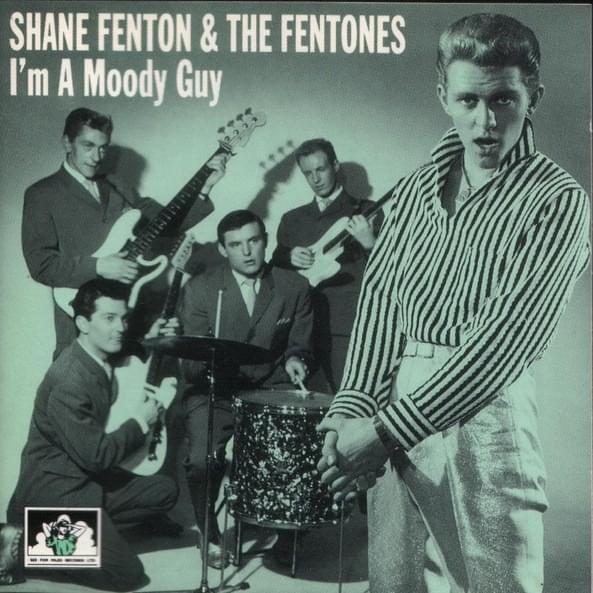
 View Artist