Song Meaning
Shamir's "Reproductive" isn't about biology; it's a scorched-earth policy against inherited trauma. The opening lines, "Returned Venus, love is meaningless / For the first twenty-five," suggest a disillusionment with romantic ideals, framing love as a concept tainted by past experiences. The speaker grapples with breaking "curses from another life," hinting at intergenerational pain and a desire to prevent its continuation. This isn't just personal angst; it’s a conscious effort to sever ties with a destructive lineage. The line "Life gets tricky when you're breaking curses from another life" speaks to the difficulty and complexity of the healing process.
The chorus reveals the core struggle: an internal battle between the desire for peace and the weight of inherited strife. Shamir sings, "A reward for all the strife I hold within me / So much that it's almost comical." This suggests a sense of absurdity and resignation. The speaker recognizes their protean nature, their ability to adapt and change, but also fears never finding true peace. The repeated phrase "Reproductive and destruction / From which I can't come back" underscores the finality of this decision. It is a definitive break, acknowledging the pain it entails, yet accepting it as necessary for self-preservation.
The song culminates in a darkly resolute vow: "I'll make sure the evil ends here with me / If it's the only thing I do." This isn't a passive acceptance of fate, but an active declaration of war against the past. The closing lines, "Returned Venus, death is seamless when you sharpen the knife / There's a chance you might not even bleed," offer a chilling, almost detached perspective on self-sacrifice. The speaker is willing to embrace a kind of symbolic death—the death of inherited patterns—in order to prevent further suffering. The act of "sharpening the knife" can be seen as a metaphor for preparing oneself for this difficult but necessary act of self-liberation. "Reproductive" is, in essence, a powerful statement about breaking cycles and choosing to end a legacy of pain, even at a personal cost.
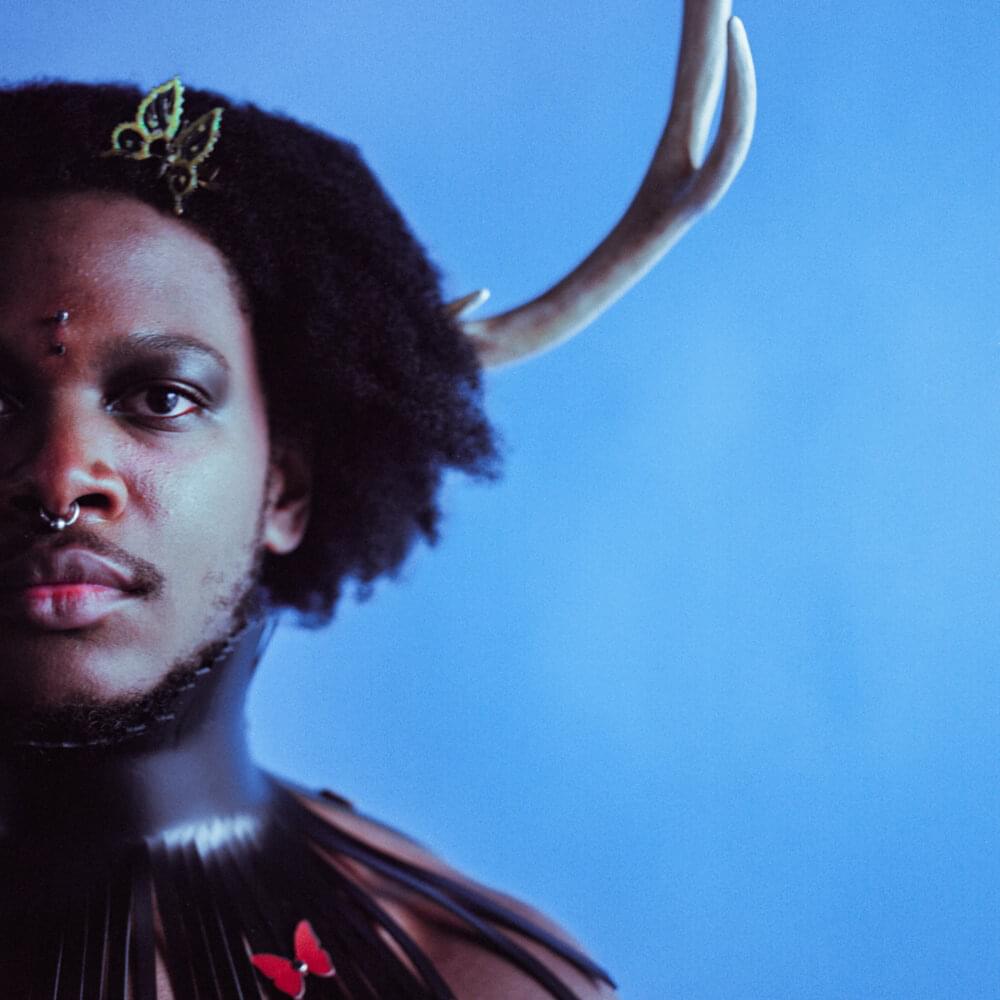
 View Artist