Song Meaning
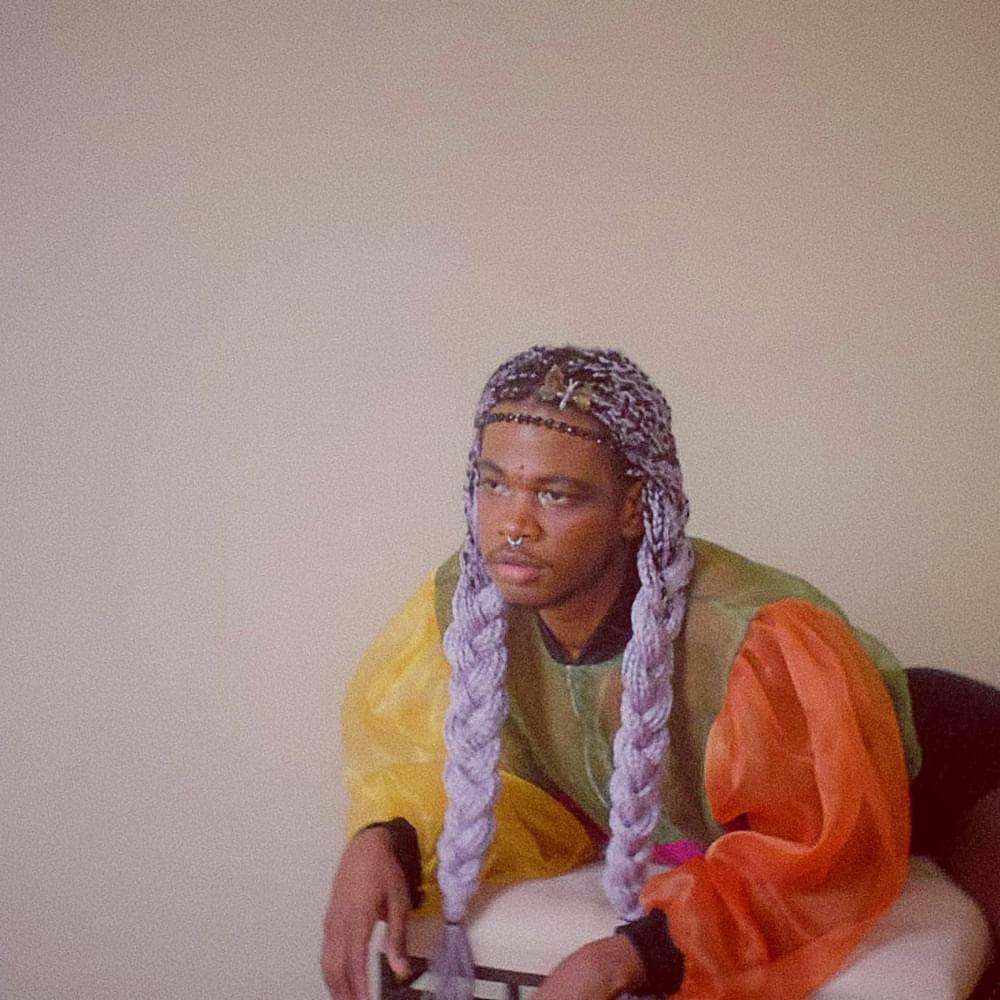
Shamir's "In This Hole" isn't just a song; it's a stark, unflinching self-portrait painted with the raw colors of disillusionment. The track's core revolves around a central paradox: the societal expectation of increasing happiness with age, juxtaposed against the gnawing reality of feeling prematurely world-weary. The repeated plea to be left "in this hole" isn't a surrender, but a defiant act of self-preservation. It’s a rejection of forced optimism, a refusal to perform happiness for an audience that doesn't understand the weight of lived experience. The lyrics cut deep, exposing the chasm between the idealized vision of youth and the often brutal reality of navigating adulthood. This isn't about wallowing; it's about acknowledging the validity of pain in a culture that often demands its suppression. The "hole" becomes a space of authenticity, a refuge from the pressures of conforming to a relentlessly cheerful facade. The song meaning here speaks to the experience of feeling alienated from conventional timelines of emotional development.
The outro offers a fragile counterpoint to the chorus's despair. The declaration "I'm okay, I'm just dramatic" is delivered with a knowing irony, hinting at the tendency to self-deprecate in order to preempt judgment. It's a vulnerable admission, quickly followed by a wistful "I wish it was different," acknowledging the desire for an easier path. Yet, there's also a steely resilience in the lines "I was born like this / And one day I will enjoy the sun." This isn't blind hope, but a hard-won acceptance of inherent sensitivity, a promise to eventually find solace without sacrificing authenticity. The resolution isn't about escaping the "hole," but about learning to carry it, to integrate it into a larger understanding of self.
The final lines, "And I'll let it burn me / And I will be one with the filth that lit us up," introduce a fascinating element of catharsis. The willingness to be burned by the sun suggests a radical embrace of experience, even the painful ones. The "filth that lit us up" is ambiguous, perhaps referring to the traumas, the struggles, the very things that initially plunged Shamir into the "hole." But instead of rejecting them, there's an intention to merge with them, to find power and even beauty in the darkness. It's a testament to the transformative potential of pain, a recognition that even the deepest wounds can illuminate the path forward. This lyrics analysis reveals a journey from despair to a complex, nuanced form of self-acceptance. Shamir isn't offering easy answers, but a raw, honest exploration of what it means to be human in all its messy, contradictory glory.
 View Artist