Song Meaning
The lyrics open with a stark, declarative statement: "For man is a tree of the field." This immediately sets up a central metaphor that frames human existence through the lens of nature. The narrator draws parallels between man and tree, noting how both grow, are cut down, and reach upwards. This initial comparison feels grounded and observational, establishing a tone of quiet contemplation about life's fundamental processes.
The core tension arises from the narrator's profound uncertainty about their place in time and existence, encapsulated in the repeated refrain, "And I don't know / Where I was and where I will be." This existential questioning hangs over the comparisons, suggesting that while the outward forms of life might be similar to a tree's, the internal experience of consciousness and memory is far more elusive. The tree's predictable cycles contrast sharply with the narrator's disoriented perspective.
The lyrics then shift to a more personal, visceral experience of life's extremes: "I loved and I hated / I tasted of this and of that." This section introduces a sense of lived experience, marked by both pleasure and pain, culminating in the bitter taste of being buried "in a plot of dust." The repetition of "bitter, bitter in my mouth" amplifies this feeling of regret or disillusionment, directly linking the human emotional landscape to the physical sensations of the natural world.
Ultimately, the effectiveness of these lyrics lies in their simple yet potent metaphor. By consistently returning to the "tree of the field," the song grounds abstract anxieties about life, death, and identity in tangible, natural imagery. The narrator's inability to know their past or future, despite observing the tree's steady growth and eventual demise, creates a poignant sense of human vulnerability. The repeated, almost mournful, assertion "bitter, bitter" emphasizes the emotional weight carried within this natural framework.
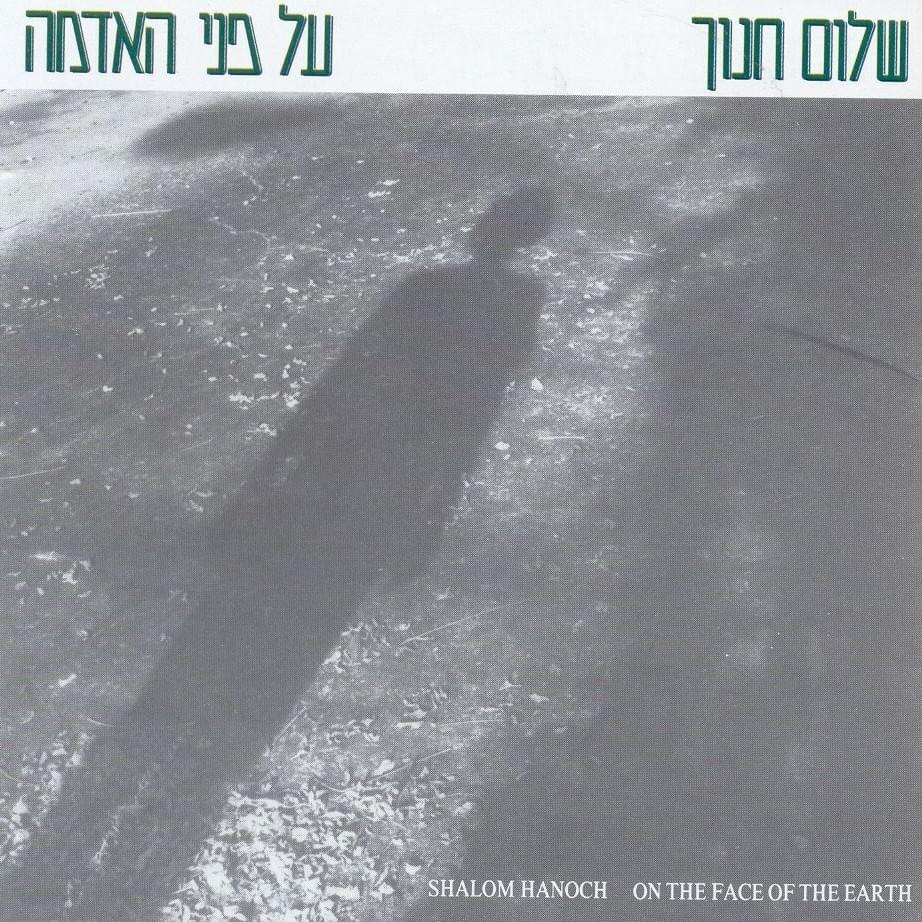
 View Artist