Song Meaning
The lyrics paint a stark picture of alienation and detachment. The narrator feels like an outsider, observing a life they no longer participate in, stating, "I haven't joined the group photo in a long time." The past is explicitly left behind, creating a sense of finality in their departure. They feel like a mere observer, "standing and watching," adrift from their former community or self.
The core tension lies in the narrator's struggle with change and belonging. They question whether they've transformed or if the world around them has shifted, admitting, "Maybe I changed and maybe it's the world." This uncertainty fuels a cycle of avoidance, as they repeatedly "run away, dodging into the shadow." The recurring cry, "To the moon I howl," emphasizes a primal, lonely plea for connection or understanding directed at an indifferent, distant entity.
The imagery of decay and disorientation is particularly striking. The scene described is one of ruin: "The hall was full of empty chairs," the "floor covered in plaster," and the "ceiling riddled with cracks." This broken environment mirrors the narrator's internal state, making the search for an exit, "to find the door in the winding maze," feel almost impossible. The repeated "Evening, evening" acts as a somber refrain, marking the passage of time in this desolate landscape.
This lyrical construction is effective because it grounds abstract feelings of isolation in concrete, albeit surreal, images. The contrast between the narrator's internal turmoil and the external decay creates a powerful sense of unease. The simple, almost childlike howl directed at the moon, repeated throughout, underscores a profound, wordless yearning that resonates deeply with the feeling of being lost and unheard.
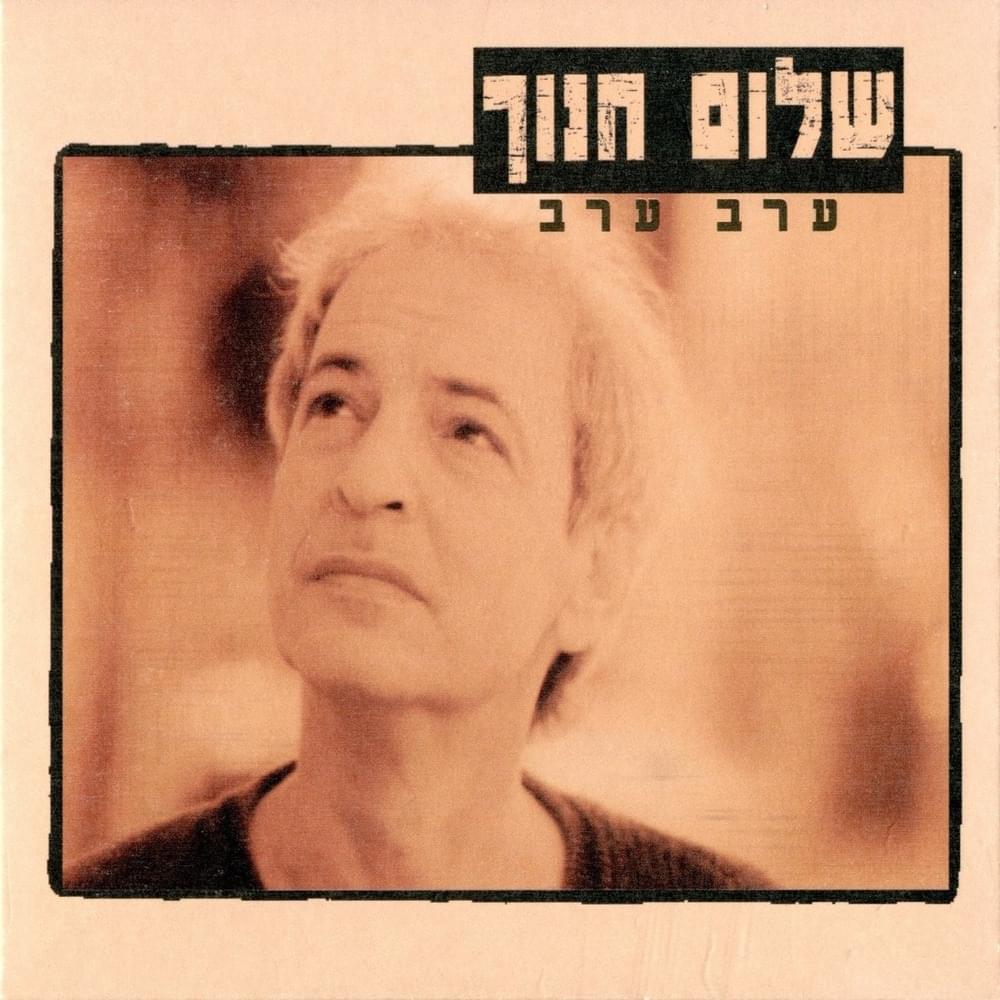
 View Artist