Song Meaning
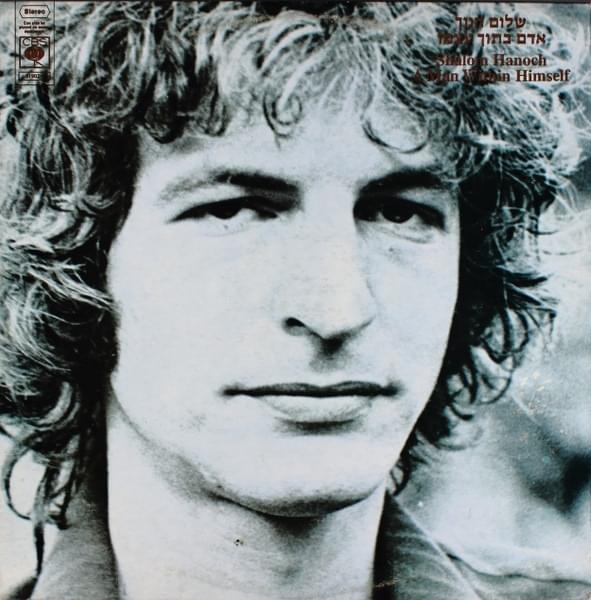
The lyrics paint a picture of a person who lives primarily within themselves, a solitary existence that oscillates between internal states. This internal dwelling is emphasized by the repetition of "אדם בתוך עצמו הוא גר" (A person lives within himself). This self-contained life can be joyful, with the narrator sometimes singing or opening the door to a friend. However, the dominant mood leans towards isolation, as the narrator "most often closes himself off within himself."
The second verse deepens this sense of internal confinement, suggesting that this self-imposed dwelling can feel like a "stormy city" or a "village." Even when external "storms" threaten to break down their home, the narrator's core struggle remains: "most often, a person is also a stranger to himself." This highlights a profound disconnect, where even the self is not a familiar territory.
The arrival of "you" introduces a crucial external element, a source of warmth and light that makes the internal "house" feel less empty and the "night" less cold. The narrator expresses a desire to protect this connection, "as much as possible." Yet, a lingering uncertainty pervades, posing the poignant question, "And with all this, will I find you tomorrow?" This introduces a fragile hope against the backdrop of habitual self-isolation.
Ultimately, the lyrics capture the universal human experience of navigating the space between our inner world and external relationships. The repeated phrase "אדם בתוך עצמו הוא גר" underscores the fundamental nature of this internal life, while the introduction of another person reveals the deep-seated need for connection and the vulnerability that comes with it. The writing effectively uses the contrast between internal solitude and the potential warmth of external presence to evoke a sense of longing and quiet desperation.
 View Artist