Song Meaning
The lyrics paint a picture of profound dissatisfaction and a desperate, almost theatrical, yearning for escape. The opening lines immediately establish a sense of regret and ennui, with the narrator questioning a past decision and lamenting the lack of "happening around here." This feeling intensifies into a morbid contemplation, where life itself is framed as "a fate worse than death," leading to a darkly ironic "last rites of spring." The desire for "field experience" and a "God" to be "strip[ped], wash[ed], and bring[ed] to my tent" suggests a raw, primal need for something real and perhaps even a rejection of conventional spirituality in favor of a more direct, personal encounter with meaning or power.
The central tension revolves around the narrator's fierce, almost aggressive, assertion of independence against perceived emotional demands. The repeated refrain, "Don't say that you want me / Don't say that you need me," coupled with "Everyone finds their own way," creates a powerful push-and-pull. While the narrator claims self-sufficiency and warns others away from their "head," the very act of issuing these commands suggests a vulnerability or a past experience of being overwhelmed. The plea for "sanctified intervention" hints at a deeper, unacknowledged need for connection or guidance, even as the dominant message is one of isolation and self-determination.
The most striking craft element is the juxtaposition of high culture and raw desire, particularly the Stravinsky reference alongside the visceral image of demanding a "God" be brought to a "tent." This creates a jarring effect, highlighting the narrator's eclectic, perhaps fragmented, internal landscape. The phrase "Dial F for freedom" itself is a brilliant piece of wordplay, evoking a sense of urgent, almost clandestine, escape, akin to a spy thriller, while simultaneously signaling a rejection of conventional communication or connection. It’s a call to action that feels both defiant and deeply personal, a coded message for self-liberation.
Ultimately, these lyrics resonate because they capture a complex emotional state: the simultaneous desire for absolute autonomy and the underlying ache for something more profound, whether it's experience, connection, or simply a decent conversation. The narrator's defiant stance, "Hey I can handle it / Can you?" is not just a challenge to others but a self-interrogation, a final, stark assessment of their own capacity for the freedom they so desperately seek. The writing works by presenting a persona that is both self-possessed and deeply unsettled, forcing the listener to confront the isolating nature of extreme independence.
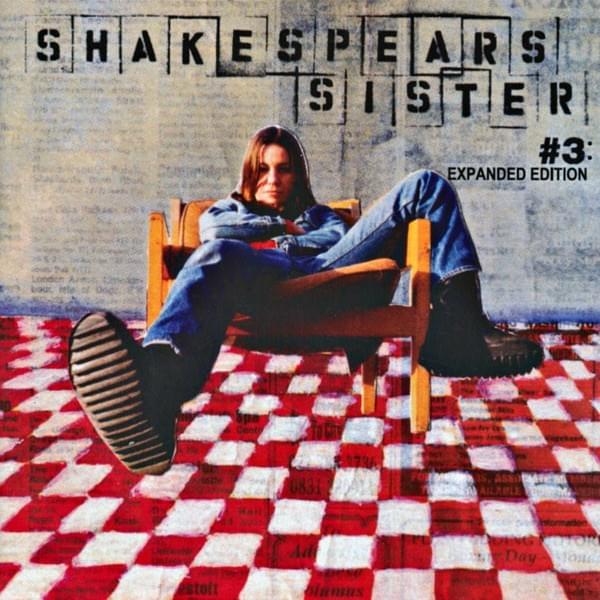
 View Artist