Song Meaning
The lyrics open with a sense of urgency and concern, as if interrupting a narrative or a moment of danger. Questions like "Mahmoud, do we have to go down now?" and "Adnan, are you okay?" establish an immediate, slightly disoriented atmosphere. This is quickly followed by a shift into a storytelling mode, inviting the listener to "listen to the words" because "in the story is a purpose, pleasure, and harmony." This sets up the song as a vehicle for a tale, promising a blend of enjoyment and deeper meaning.
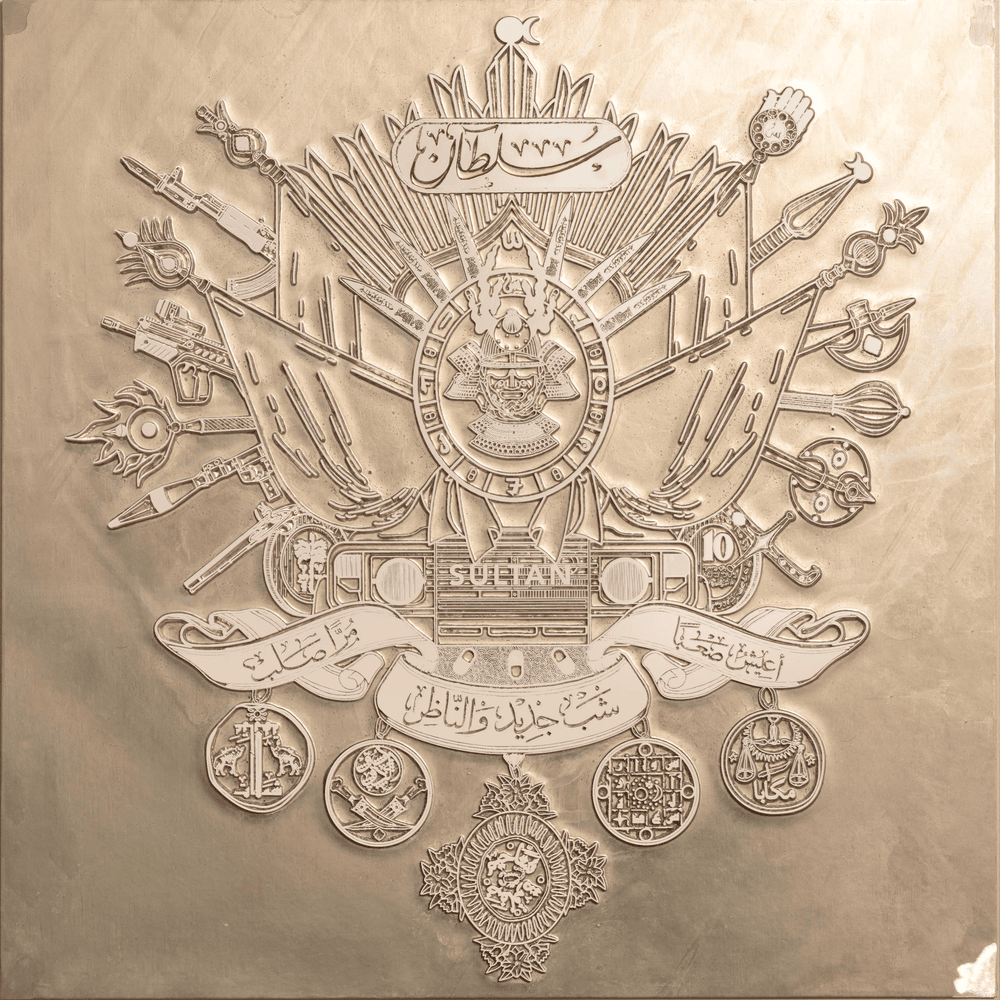
The core of the piece appears to be the introduction of a "Sultan" figure, presented as a benevolent ruler in a "distant land." The lyrics describe him as "just and his subjects love him very much," immediately establishing a positive and almost mythical persona. This idealized ruler is then directly linked to the realm of Arabic music, with the narrator proclaiming, "He is the Sultan in the kingdom of Arabic singing, and there is no competitor." This elevates the figure beyond a mere character to an embodiment of musical authority and excellence.
The craft here lies in the layering of identities and the playful blurring of the literal and metaphorical. The initial concern for "Mahmoud" and "Adnan" feels like a framing device, perhaps representing the artists or a specific context, before pivoting to the grander, archetypal "Sultan." The lyrics then directly address this figure, asking, "Aren't you also Sultan Bey?" and "Who are you then?" This meta-commentary acknowledges the performance and the persona being constructed. The final lines, "I am not a king on the throne of beauty / But I am known as a Sultan on the throne of manliness," offer a crucial self-definition, suggesting a form of leadership rooted in integrity and character rather than mere aesthetic dominance.
What makes these lyrics resonate is the way they build a grand narrative while simultaneously acknowledging the artifice of performance. The transition from immediate, almost anxious dialogue to the grand pronouncements about a musical Sultan creates a compelling dynamic. The final self-declaration grounds the lofty title of "Sultan" in a more relatable, albeit still powerful, concept of "manliness" or integrity, suggesting that true authority, in this context, comes from character and authenticity within the musical kingdom of Arabic music.
 View Artist