Song Meaning
This song paints a stark picture of life without a significant other, where existence itself feels hollow. The narrator describes a state where living isn't truly living and smiling isn't genuine, likening their existence to a "windowless prison." This immediate emotional texture sets a tone of profound loneliness and despair, suggesting a world stripped of its color and joy.
The central tension arises from the narrator's enduring, yet unexpressed, love and their desire for the other person's eventual relief, even if it comes at their own expense. The lyrics reveal a painful paradox: the narrator longs for the other person's happiness and release from suffering, but this very desire is tied to their own sorrow. They offer themselves as a source of catharsis, asking to be remembered only when the other person is exhausted by their own pain and ready to find peace.
The most striking craft element is the powerful repetition of "살다가 살다가 살다가" (as I live, as I live, as I live) and "울다가 울다가 울다가" (crying, crying, crying). This insistent refrain emphasizes the ongoing, relentless nature of the narrator's suffering and their plea. The phrase "나로 인한 슬픔으로 후련할 때까지" (until you are relieved by the sorrow caused by me) is particularly poignant, suggesting a self-sacrificing love that finds a twisted form of purpose in being the catalyst for the other's eventual freedom from pain.
What makes these lyrics hit so hard is their raw, unvarnished portrayal of a love that persists beyond separation, manifesting as a deep well of sorrow. The narrator's willingness to be the source of the other's catharsis, to be "burned" completely if it leads to their relief, showcases a profound, albeit painful, devotion. The lyrics capture that specific ache of wanting someone to be free, even if it means enduring their own complete dissolution.
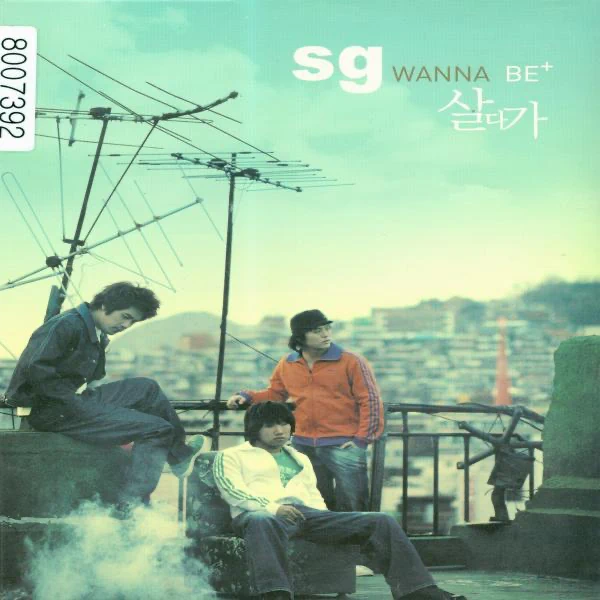
 View Artist