Song Meaning
This song paints a vivid picture of betrayal and a defiant, almost theatrical response to heartbreak. The narrator directly addresses a "nevjerniče" (unbeliever/infidel), someone who was their lover "do jučer" (until yesterday). There's an immediate sense of shock and hurt, as the narrator notes the lover "ne gledaš me u oči" (doesn't look me in the eyes). This avoidance signals guilt and a broken connection.
The central conflict arises from this sudden infidelity, contrasting the narrator's past love with the present betrayal. The repeated phrase "moja muška strana kaže" (my masculine side says) introduces a fascinating internal dialogue, presenting a dichotomy between suppressing emotion ("Ne plači" - Don't cry) and absolute refusal to forgive ("Nikada" - Never). This internal battle fuels the song's dramatic climax.
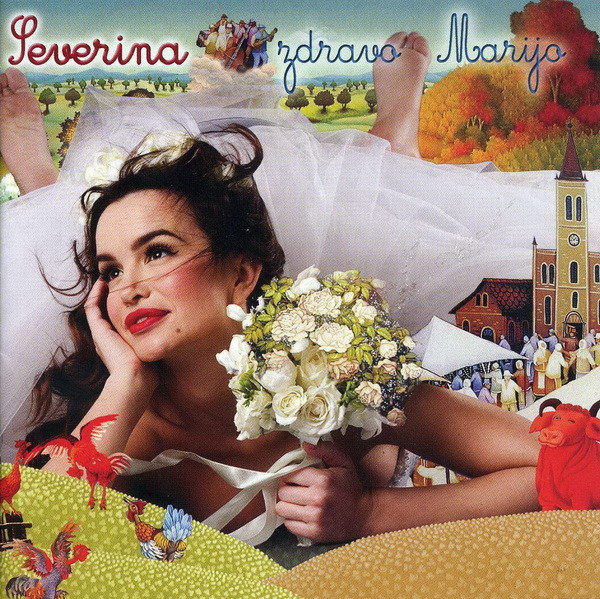
The most striking element is the explosive chorus: "Pucajte u tamburaše, drugovi" (Shoot the tambura players, comrades). This isn't literal violence but a powerful metaphor. The tambura players are associated with "svatovi" (wedding guests), implying a celebration of the lover's new union, perhaps with someone else. The narrator claims these are "To su moji, a ne njeni svatovi" (Those are my wedding guests, not hers), a possessive and bitter declaration that the celebration should have been theirs. The desire to "putujemo ja i ti" (you and I travel) with "koferi" (suitcases) suggests a desperate wish to escape the painful reality and start anew, but only after this dramatic, symbolic act.
This lyrical construction is effective because it channels intense pain into a grand, operatic gesture. The contrast between the quiet, internal struggle of the verses and the loud, public demand of the chorus creates a potent emotional arc. The narrator’s refusal to simply cry or forgive, instead opting for a defiant, albeit metaphorical, act of disruption, makes their pain feel uniquely potent and unforgettable.
 View Artist