Song Meaning
The lyrics paint a stark picture of a being born into a state of terror and darkness, now existing "void of feeling." There's a sense of being adrift, with external forces like "winds that try and catch the sun" and "spires that arise to shame the sky" serving as ominous backdrops. The narrator questions their own emotional state, pleading, "Oh my lord make me free of their blame," suggesting a deep-seated guilt or a perceived judgment from others.
The central tension arises from a desperate yearning for freedom and redemption, particularly through a connection with a "child." The repeated plea, "Dream my child as though it were real / And I'll join you," offers a fragile hope, a desire to escape the current reality and find solace in a shared dream or future. This is juxtaposed with the harshness of the world described: "souls are harnessed eyes dishonest," "children laden," and a plea for divine intervention, "oh my god can they ever be spared?"
The most striking element is the narrator's ultimate realization of self-reliance, culminating in the powerful declaration, "I rise from my knees for no god made me free all these years." This signifies a profound shift from seeking external salvation to acknowledging personal agency, even if that agency is born from a painful past. The final question, "What have I done?" instead of "What I've become," suggests a dawning awareness of past actions and their consequences, a more active and perhaps damning self-reflection.
This lyrical construction is effective because it moves from a passive, almost existential despair to an active, albeit grim, self-awareness. The contrast between the ethereal hope of joining a child in a dream and the brutal reality of "fear annealing hatred reeling" creates a palpable emotional weight. The final lines, in particular, deliver a gut punch, transforming the initial plea for freedom into a stark confrontation with personal responsibility.
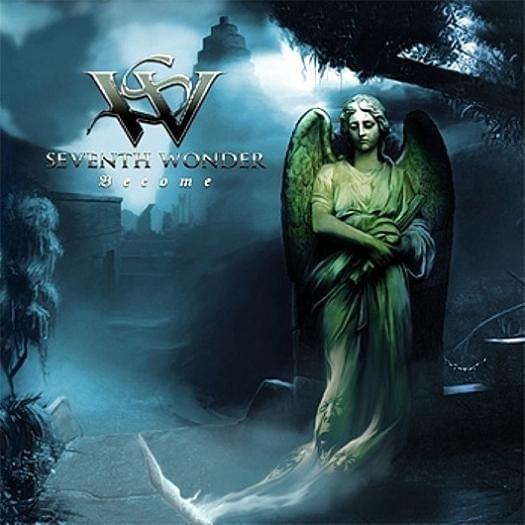
 View Artist