Song Meaning
This track paints a picture of a relationship strained by constant arguments and accusations, where one partner consistently blames the other. The narrator feels unfairly targeted, with even shared lateness being attributed solely to them. The lyrics highlight a partner's narrow-mindedness and excessive suspicion, coupled with an inflated sense of self-worth, claiming they are irreplaceable. This dynamic creates a frustrating cycle of defensiveness and counter-accusation, as the narrator is challenged to prove their partner wrong.
The central tension revolves around the push-and-pull of the relationship, metaphorically described as an "elastic band." The narrator pleads not to pull too hard, fearing it will snap, leading to pain and an inability to mend. This suggests a desire for a gentler, more patient approach to love, emphasizing care and preservation over intense pressure. The repeated plea, "Don't pull love too hard," underscores the fragility of their connection and the narrator's fear of its breaking point.
A particularly striking element is the shift in perspective and the use of playful, almost mocking language to describe the partner's behavior. Phrases like "your little fights" and "your temper needs fixing" are juxtaposed with the serious emotional plea about the elastic band. The narrator also notes the partner's tendency to easily dismiss things, even when speaking seriously, and their use of "childish tactics" like turning off their phone, which ironically leads the narrator to fall asleep waiting. This contrast between the partner's dramatic actions and the narrator's weary, almost resigned response creates a complex emotional landscape.
Ultimately, the lyrics resonate because they capture the exhausting, repetitive nature of conflict in a relationship where one person feels perpetually misunderstood and blamed. The plea to "love with care" and the acknowledgment that "loving is better than breaking up" reveal a deep-seated desire for harmony, even amidst the ongoing friction. The narrator's willingness to endure the partner's outbursts, hoping for a better outcome, speaks to the enduring hope that love can overcome persistent discord.
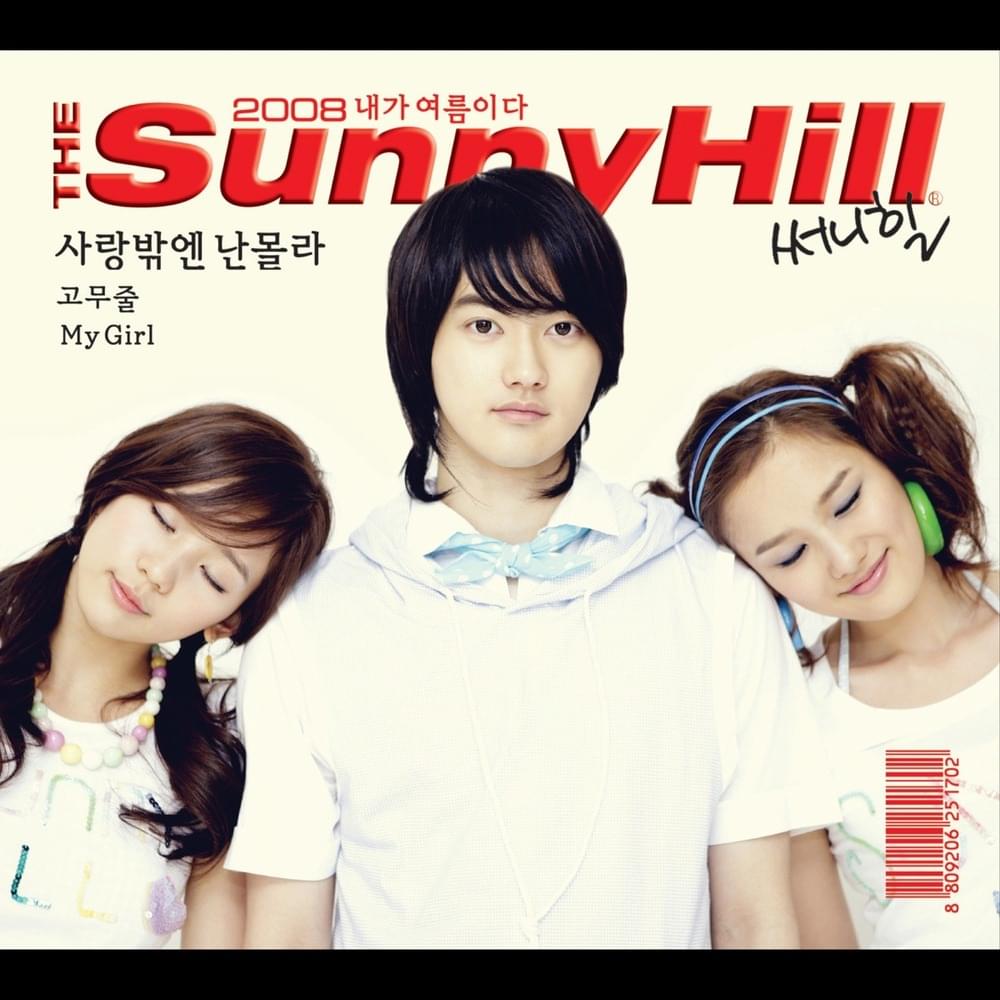
 View Artist