Song Meaning
The narrator presents a stark, visceral image: a "wrecking wall" constructed from "own flesh and blood." This isn't just a metaphor for emotional damage; it feels like a literal, self-inflicted monument to past pain. The repeated question, "Would you wait / Just to see my wrecking wall?" suggests a defiant, almost exhibitionist pride in this self-made edifice of suffering, daring others to witness its grim construction.
The core tension lies in the narrator's struggle against external forces that threaten to dismantle or devalue this intensely personal creation. The plea, "Don't put me down" and "Pull me off of the wall" directly contrasts with the earlier defiance. It seems the narrator is simultaneously proud of their resilience, symbolized by the wall, and terrified of being torn down or erased by the very history they've preserved within it.
The lyrics pivot unexpectedly with the lines about television and belief. The narrator expresses disbelief, asking, "Can you be what I be?" and lamenting, "You'll be their's too." This suggests a profound disconnect between the narrator's intensely personal, self-constructed reality and the external world, possibly represented by media or societal expectations. The "wrecking wall" becomes a symbol of a unique, perhaps isolating, experience that others cannot comprehend or replicate.
Ultimately, the power of these lyrics stems from their raw, unflinching portrayal of self-creation through pain. The narrator's internal conflict—between showcasing their "wrecking wall" and begging not to be pulled down—creates a compelling, almost claustrophobic emotional landscape. The raw imagery and direct pleas make the listener confront the uncomfortable reality of building one's identity from personal hardship.
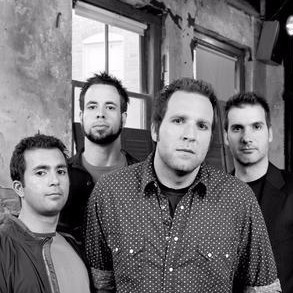
 View Artist