Song Meaning
The narrator fixates on the mundane, counting pavement cracks where nature stubbornly persists, mirroring a desire for order amidst internal chaos. Every passing car becomes a symbol of escape, a stark contrast to the static, uncertain present. There's a palpable yearning for connection, a whispered plea for understanding that questions the very source of distance, wondering if the fault lies within.
The core tension emerges from a self-proclaimed need for control clashing with the unpredictable nature of relationships and the soul's unrest. This need for control is presented as a coping mechanism, a way to "soothe my soul," yet it paradoxically leads to emotional distance. The narrator admits to being "too far away," suggesting this controlling impulse isolates them, even as they crave closeness.
The most striking aspect is the narrator's self-awareness of their own contradictory impulses. They acknowledge being "well enough to believe your lies / And sick enough to believe you're mine." This duality reveals a profound internal conflict, where a rational understanding of deception is overcome by a desperate, almost pathological, need to possess. The final lines, "If it's painful just because / Don't be surprised if you're in love," suggest a twisted logic where suffering itself becomes proof of affection, a dangerous justification for their controlling behavior.
This lyrical construction is effective because it lays bare a deeply flawed, yet recognizable, psychological state. The contrast between the external observation of cracks and cars and the internal turmoil of control and possession creates a compelling portrait. The narrator's honest, if unsettling, admission of their own manipulative tendencies and their warped perception of love makes the emotional impact resonate powerfully, forcing the listener to confront the complexities of desire and self-deception.
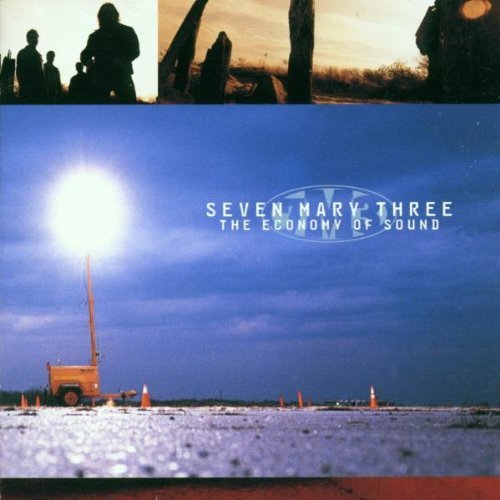
 View Artist