Song Meaning
These lyrics plunge into a direct, impatient confrontation, as a speaker challenges someone's perceived "falso moralismo" and "preciosismo." The tone is urgent, almost demanding, fueled by a clear frustration. It's a call to shed inhibitions and embrace a more authentic connection.
The central tension arises from the speaker's exasperation with what they see as unnecessary decorum. Phrases like "Pra que tamanha decência?" and the bold claim that "Não se dar é egoísmo" cut through any pretense, framing the other person's reserve as a self-serving act. The speaker explicitly rejects the fantasy of a "príncipe encantado," positioning themselves instead as someone "Armado e pronto pra luta" — ready for a real, perhaps challenging, engagement.
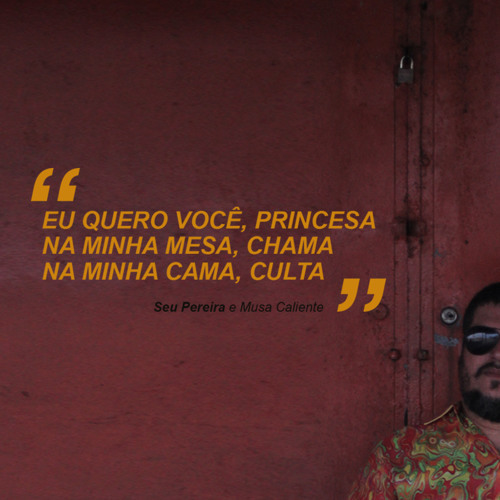
What makes these lyrics particularly effective is the insistent repetition of the chorus: "Eu quero você, princesa / Na minha mesa, chama / Na minha cama, culta." This refrain, especially its fourfold repetition at the end, builds an almost obsessive intensity. The speaker's desires are specific and intriguing: they want a "princesa" who is both a passionate "chama" (flame) at the table and "culta" (cultured) in bed, suggesting a longing for a partner who embodies both raw vitality and intellectual depth, challenging simplistic notions of desire.
Ultimately, the lyrics resonate by capturing the friction between societal expectations and raw human desire. The speaker's bluntness, combined with the vivid imagery of being "armed and ready for the fight," creates a compelling portrait of someone determined to break through emotional barriers. It's a powerful declaration of intent, demanding a connection that is both passionate and profound, stripped of any "preciosismo."
 View Artist