Song Meaning
This track paints a vivid picture of the motoboy, not just as a delivery person, but as a vital, almost heroic figure in the urban landscape. The lyrics open by highlighting their incredible speed and efficiency, describing them as someone who "faz o corre" and delivers "na maior agilidade," never "deixa furo" or "dá mole." This establishes a tone of admiration for their relentless work ethic and mastery of the city streets.
The central tension emerges when the lyrics shift from the motoboy's professional prowess to a surprising personal revelation: "O coração pacato / Sendo acelerado / Por um grande amor." This injects a layer of unexpected vulnerability, suggesting that beneath the professional exterior of someone who "cruza a cidade" and is "rei da pista," there's a deeply felt emotional life. The contrast between their fast-paced, demanding job and this hidden romantic pursuit creates a compelling duality.
The craft here is in the juxtaposition of the motoboy's public image and private feelings. Phrases like "vida loka" (crazy life) carried "dentro do baú" (inside the trunk) hint at the unseen burdens or experiences they manage. The repeated "Liga, liga, liga..." in the chorus functions as both a literal call for their service and a metaphor for connection, emphasizing trust and reliability. The lyrics suggest this figure is both indispensable to the community ("fundamental") and capable of profound personal connection.
Ultimately, the effectiveness lies in elevating the everyday. By focusing on specific actions like using a GPS "de norte a sul" and the sensory detail of passing "passa buzinando," the song makes the motoboy feel both real and larger than life. The narrative transforms a common worker into a symbol of dedication, speed, and hidden passion, making the listener appreciate the complex lives unfolding on city streets.
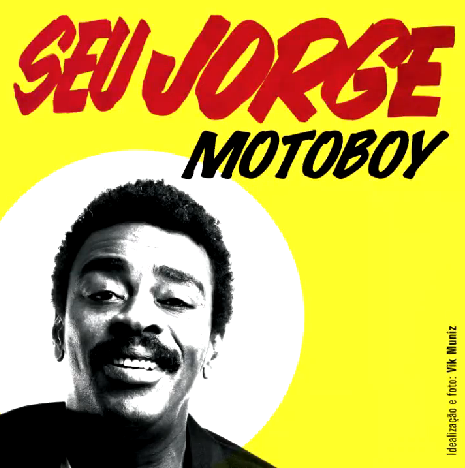
 View Artist