Song Meaning
The lyrics paint a picture of a figure grappling with immense, possibly destructive, power and a profound sense of alienation. The opening lines pose a stark question: "Am I the prodigal son of Lucifer?" This immediately establishes a tone of dark self-examination, hinting at a personality that might embody the annihilation of hope and a disdain for human existence. The narrator seems to view themselves as a harbinger of an end, a "terrestrial testament" to a grand, perhaps fallen, ascension. This self-perception is fraught with a terrifying grandeur, suggesting a being on the precipice of either ultimate power or ultimate destruction.
The central tension lies in the narrator's dualistic self-image, oscillating between destructive force and a potential instrument of divine or infernal will. They question if they will be the "right hand of the celestial angel" or the embodiment of "tears and the ultimate sigh," destined to be "hated like... the eagle of evil." This internal conflict is amplified by the invocation "In Nomine Seth," suggesting a pact or alignment with a darker, vengeful entity. The promise of "revenge'll come like a rain" and a "new sens" for life implies a transformative, albeit potentially destructive, purpose.
The most striking craft element is the juxtaposition of religious imagery with infernal themes. The lyrics reference "Lucifer," "celestial angel," "Christ," and "blasphemy," but twist them into a narrative of damnation and dark apotheosis. The phrase "the soul's wounds have bruised / The last tatters of Christ" is particularly potent, suggesting a profound spiritual injury that has led the narrator to a place "where nothing lives anymore." This is where "death becomes a miracle," a concept that redefines existence through absolute negation and a "liberating blade" that guides them into "the most obscure lands of blasphemy."
This lyrical construction is effective because it taps into a primal fascination with the forbidden and the transgressive. The narrator's struggle isn't just personal; it feels cosmic, a battle for definition against overwhelming forces of good and evil. The deliberate ambiguity of their role—savior or destroyer, angel's right hand or embodiment of hate—creates a compelling, unsettling portrait. The language, filled with stark contrasts and apocalyptic pronouncements, forces the listener to confront the darker potentials of existence and the allure of power, even at the cost of one's soul.
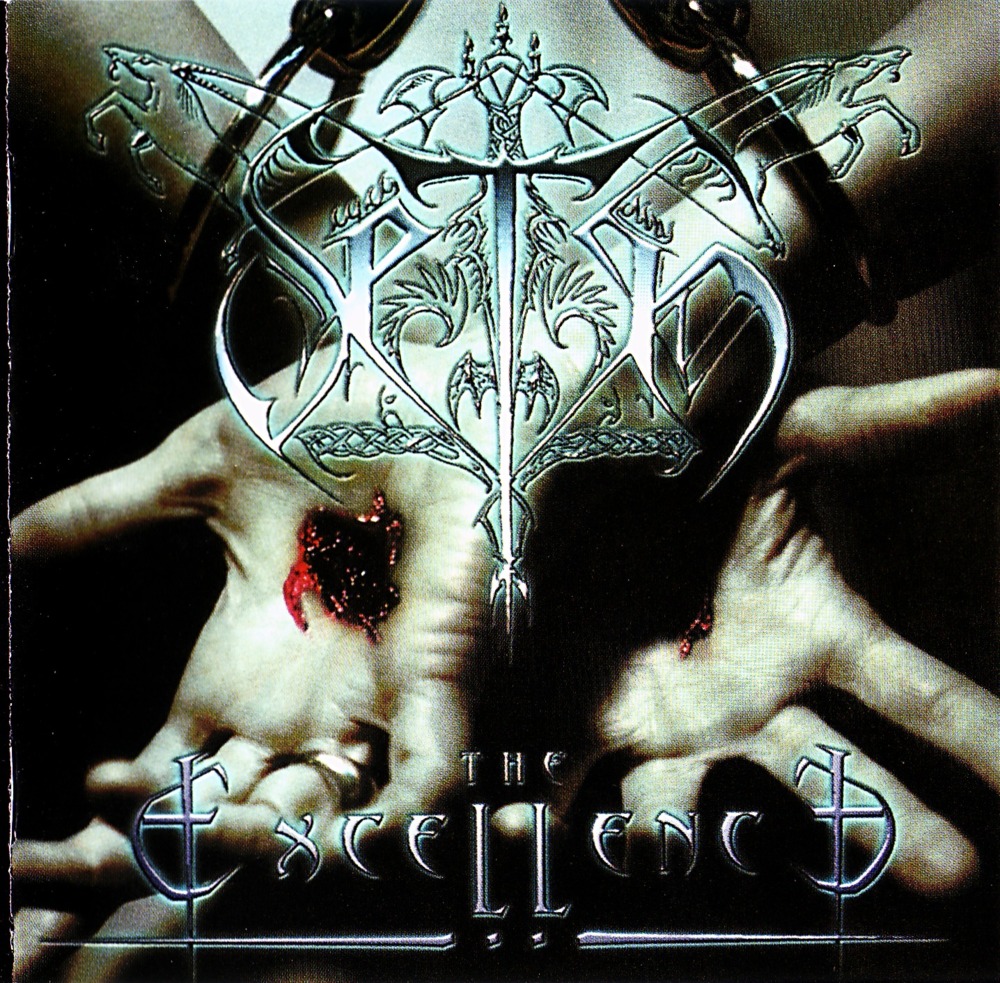
 View Artist