Song Meaning
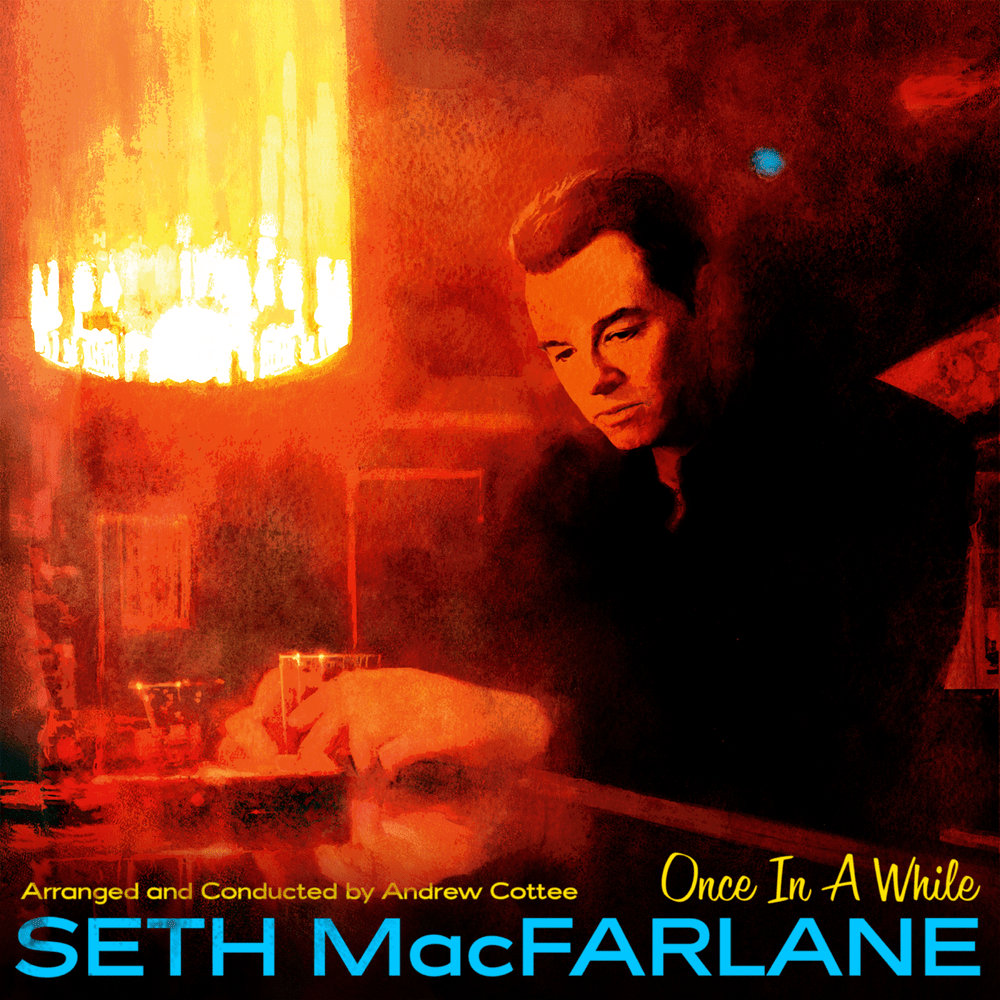
Seth MacFarlane's rendition of "The Things We Did Last Summer" drips with a poignant nostalgia, transforming a seemingly saccharine remembrance of summer romance into a meditation on love's ephemeral nature. The song isn't merely a list of idyllic activities; it's a psychological portrait of how we cling to idealized memories in the face of inevitable heartbreak. The initial verses paint a picture of carefree joy – boat rides, moonlight, shared songs – classic tropes of summertime bliss. But beneath the surface, a subtle unease simmers. The singer acknowledges the fleeting nature of these moments ("They seem to fly away, too soon, they're gone"), hinting at an awareness that this happiness is not built to last. The repetition of "The things we did last summer I'll remember all winter long" acts as both a comforting mantra and a mournful echo, suggesting an attempt to preserve something that is already slipping away.
The second verse introduces elements that subtly disrupt the perfect facade. The "sudden summer rain" becomes a metaphor for unforeseen challenges or conflicts that perhaps hinted at the relationship's eventual demise. The "looks we got when we got back" suggest a social judgment, a sense that their idyllic bubble was not perceived as such by the outside world. This intrusion of reality foreshadows the chorus's lament about fading leaves and broken promises. The transformation from vibrant summer to desolate winter mirrors the shift in the relationship itself.
The central question posed by the lyrics – "How could a love that seemed so right go wrong?" – is left unanswered, reflecting the often-inscrutable nature of heartbreak. The song's power lies not in providing answers but in capturing the complex emotional landscape of loss. It acknowledges the human tendency to romanticize the past while simultaneously confronting the painful reality of its impermanence. MacFarlane’s interpretation underscores the bittersweet truth that memories, however cherished, cannot always shield us from the cold of winter, both literal and metaphorical. The song meaning ultimately resides in this tension between joyful recollection and melancholic acceptance.
 View Artist