Song Meaning
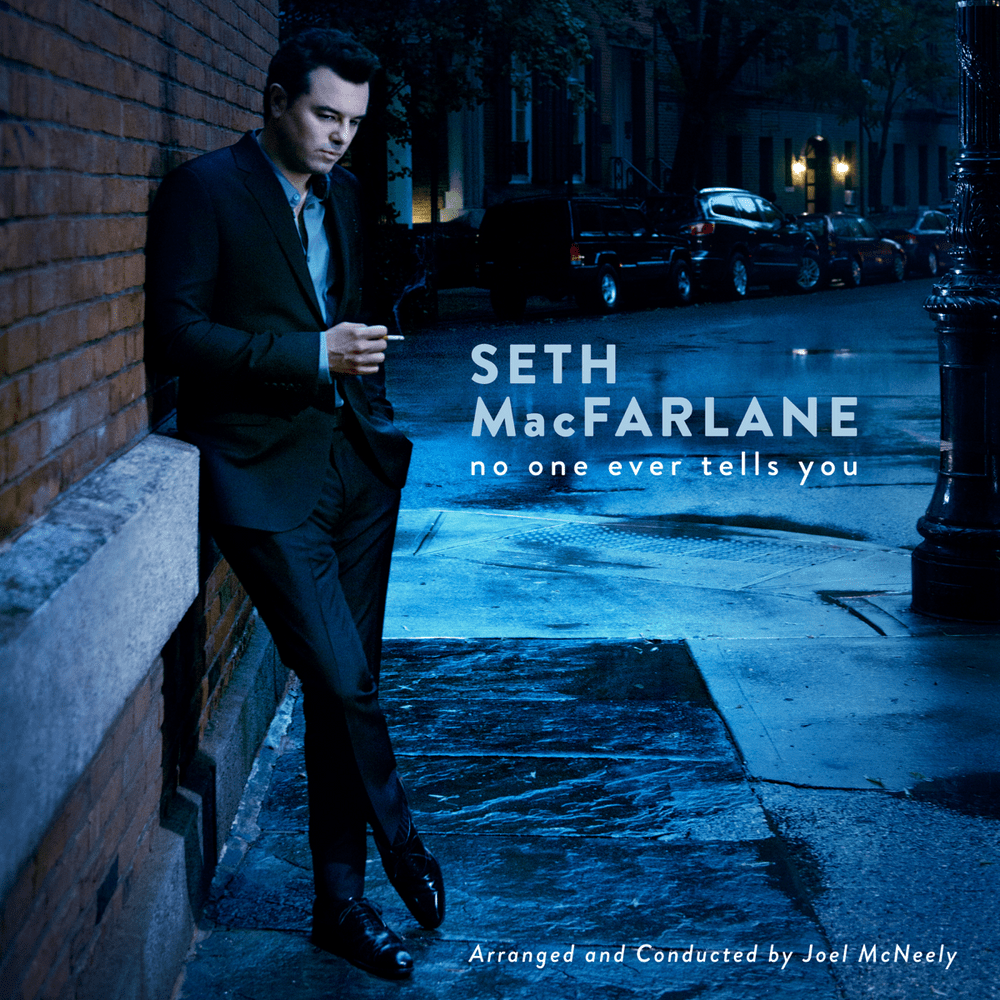
Seth MacFarlane's rendition of "Guess I'll Hang My Tears Out to Dry" isn't just a performance; it's a masterclass in emotional articulation, wrapped in the comforting familiarity of classic American songwriting. The song meaning resides in that delicate space between heartbreak and resilience, where the singer grapples with loss not through histrionics, but with a wry, almost detached acceptance. The opening lines, comparing the torch he carries to something "worth its heartache in ransom," immediately establish a tone of bittersweet resignation. He's not wallowing; he's acknowledging the value, however painful, of the love he's lost. The reference to the Statue of Liberty poignantly amplifies this feeling of isolated observation.
The chorus, with its repeated refrain, is the heart of the song's message. "Guess I'll hang my tears out to dry" isn't a declaration of strength, but a weary admission. It speaks to the act of processing grief in private, away from the prying eyes of friends and the pressure to move on. The lyrics hint at a performance of normalcy ("Friends ask me out I tell them I'm busy"), a carefully constructed "new alibi" to mask the pain within. The second verse introduces a surreal, almost whimsical element with the image of "little teardrops, my little teardrops, hanging on a string of dreams." This visual metaphor suggests a fragile connection to the past, a refusal to completely sever ties with the memories, however painful they may be.
The bridge introduces a glimmer of hope, a brief experiment with forgetting. The lyrics tell us that he got along without her, suggesting a capacity for healing. But the moment of progress is swiftly undercut by the casual, almost cruel, encounter: "Then, one day she passed me right by." This encounter undoes all the progress, reinforcing the cyclical nature of grief. The final repetition of the chorus is delivered not with despair, but with a weary understanding. Ultimately, the song's genius lies in its refusal to offer easy answers or resolutions. It's a portrait of heartbreak as a process, a constant negotiation between pain and acceptance. MacFarlane's interpretation captures this nuance perfectly, elevating the song beyond a simple lament into a sophisticated exploration of the human heart.
 View Artist