Song Meaning
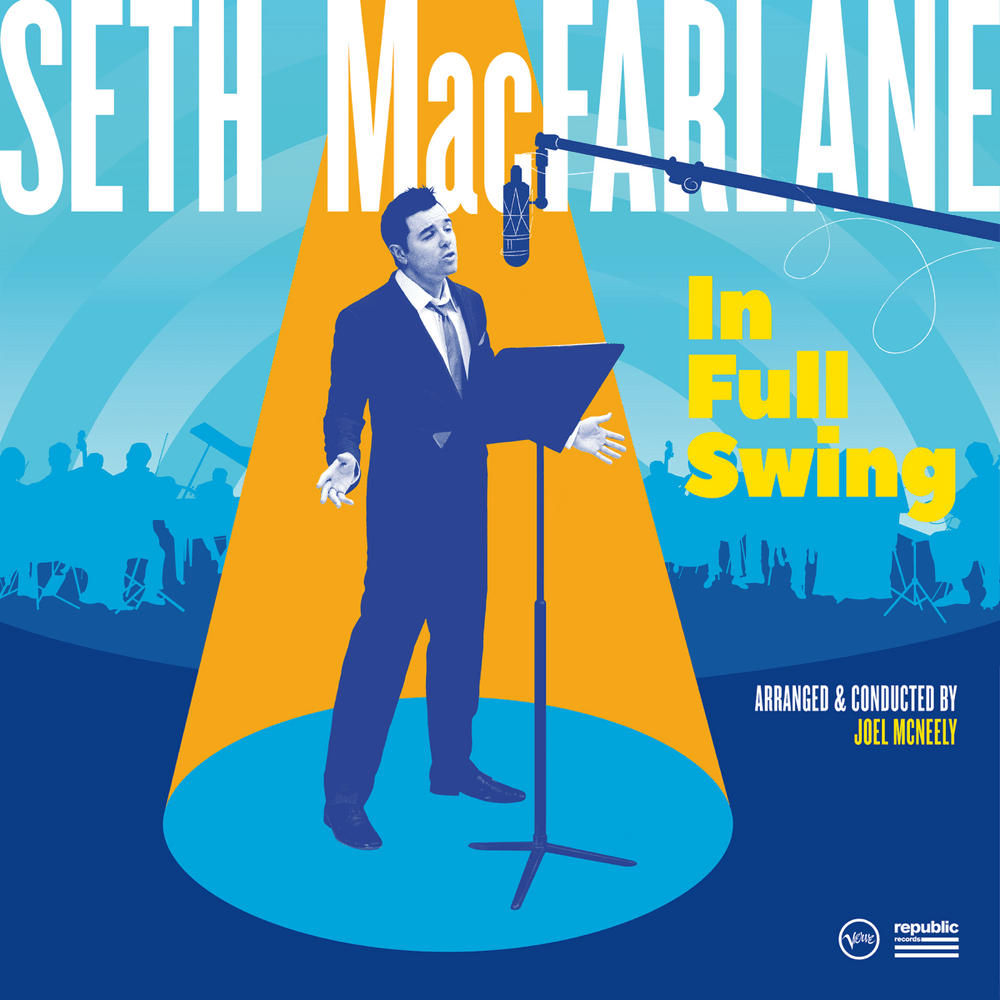
{"song_id": 13820258, "meaning": "Seth MacFarlane's \"A Kiss or Two\" operates in a space of coy insinuation, turning a seemingly innocent gesture into a playful exploration of social boundaries and moral relativity. The song’s breezy, almost nonchalant tone belies a subtle commentary on the subjective nature of propriety. MacFarlane isn't necessarily advocating for rampant kissing among friends, but rather highlighting the diverse interpretations such an act can provoke. The lyrics themselves are deceptively simple, built around repetition and a central, almost childlike question: \"What's a little kiss or two?\" This phrasing immediately positions the topic as something potentially transgressive, something requiring justification. The insistence that it's \"among friends\" adds another layer, blurring the lines between platonic affection and something more.
The chorus further complicates the song meaning, acknowledging the polarized viewpoints surrounding even the most innocent-seeming displays of physical affection. \"Some say it will hurt you, some deem it a virtue\" encapsulates the inherent ambiguity. The line \"the best people do it\" is particularly loaded, dripping with irony and perhaps a touch of self-aware naughtiness. It suggests a sophisticated, almost libertine perspective, implying that those who understand the nuances of human connection are less likely to be bound by rigid social constraints. It's a nudge and a wink, inviting the listener to consider where they fall on the spectrum of permissiveness.
Ultimately, \"A Kiss or Two\" isn't just about kissing. It’s a miniature study of perception, societal norms, and the ever-shifting landscape of interpersonal relationships. MacFarlane uses the seemingly trivial act of a kiss to expose the complex and often contradictory ways we navigate intimacy and connection. The instrumental break provides a moment for the listener to digest these ideas, before the song reiterates its central question, leaving us to ponder the implications and formulate our own answer."}
 View Artist