Song Meaning
The narrator returns to their old neighborhood, seeking echoes of their past self amidst the decay. The once familiar streets, the dilapidated house where dreams were nurtured, and the very air now feel like ghosts of ownership. It's a poignant exploration of how time erodes not just physical spaces but also our sense of belonging to them.
The core tension lies in the stark contrast between past possession and present loss. The repeated "Benimdi" (It was mine) lists everything from roads and lights to trees and seas, culminating in "çocuklar" (children). This expansive claim of ownership over the environment and its inhabitants is immediately undercut by the devastating realization: "Çocuktuk bir zamanlar hepsini aldı geçen yıllar" (We were children once, the passing years took them all). This line powerfully encapsulates the ephemeral nature of childhood and the inevitable passage of time that reclaims everything.
The most striking craft element is the relentless, almost incantatory repetition of "Benimdi." This builds a powerful sense of nostalgia and a desperate clinging to a lost identity. However, the structure of the chorus, with each declaration of ownership followed by the melancholic truth of time's theft, creates a profound sense of resignation. The imagery of "silinmiş resim taş duvarlarına / Gizlice kazıdığımız aşk sözleri" (erased pictures on stone walls / love words we secretly carved) perfectly visualizes this erosion, showing how even intimate, defiant acts of youth are ultimately erased by time.
This song hits hard because it taps into a universal ache: the feeling of being a stranger in a place that was once intimately yours. The lyrics don't just describe change; they embody it through the very rhythm of possession and loss. The simple, declarative statements of ownership, shattered by the simple, irrefutable fact of passing years, create an emotional resonance that feels both deeply personal and widely understood.
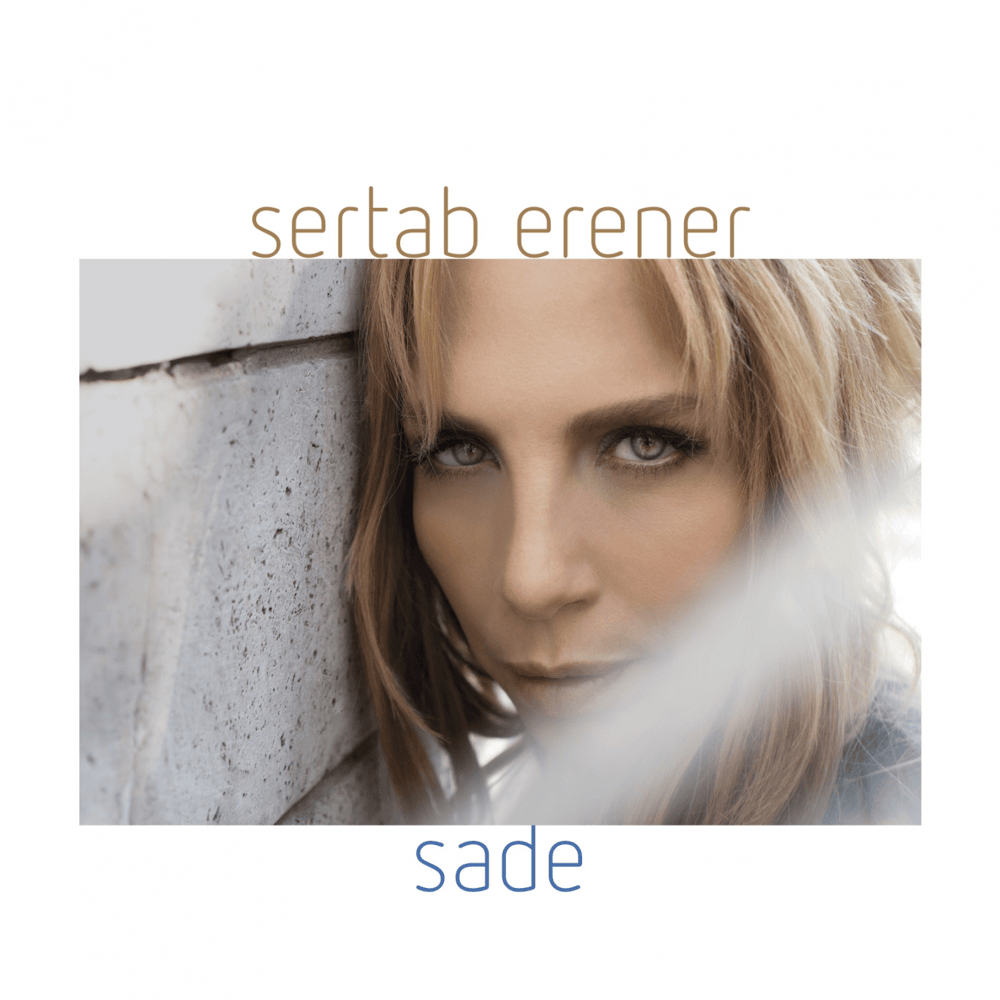
 View Artist