Song Meaning
The lyrics paint a picture of enduring love against the backdrop of time's relentless march. The narrator reflects on the passage of his own life, noting the "first wrinkles" appearing on his face, a clear sign of aging. Yet, amidst this personal decay, one constant remains: "only you are always the same." This stark contrast between the narrator's changing self and the unchanging beloved forms the emotional core of the song.
The central tension lies in this juxtaposition of personal change and the perceived permanence of the loved one. While the narrator acknowledges his own aging and the shifting nature of life – "everything can change" – the repeated assertion that the beloved is "always the same" suggests a deep-seated comfort and perhaps an idealization of her. The refrain hammers this home: "With you I found love, with you I met happiness; And if I were born again, I would want the same." This declaration is powerful, implying that the relationship itself is a perfect, unchanging haven.
The most striking craft element is the insistent repetition of "samo ti si uvijek ista" (only you are always the same). This phrase acts as an anchor, a mantra that grounds the narrator's experience. It’s not just a statement of fact but an emotional declaration, highlighting how the beloved’s constancy provides a sense of stability in a world of flux. The lyrics suggest that her unchanging nature is what allows love and happiness to flourish, making the narrator’s desire to repeat the experience if reborn entirely understandable.
Ultimately, these lyrics resonate because they tap into a universal human desire for permanence in love. The writing effectively uses the simple, direct language of the repeated phrase to convey a profound sense of gratitude and devotion. The narrator’s aging serves not as a point of sadness, but as a testament to the enduring power of the love he has found, a love so complete that he wouldn't change a thing.
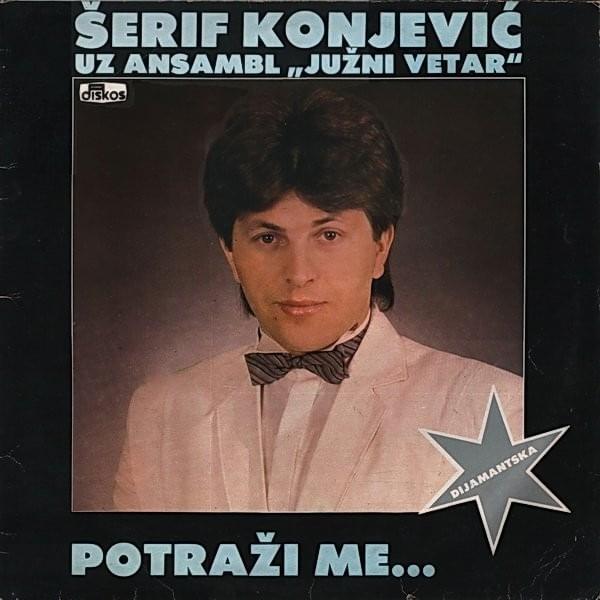
 View Artist