Song Meaning
The lyrics open with the sudden appearance of a "batucada," a vibrant percussion event, immediately followed by the striking observation that "nem um branco ficou" (not one white person remained). This sets a scene of cultural emergence and a clear, almost defiant, social division. The energy of the music seems to create an exclusive space.
A central tension arises from the provocative assertion that "ser branco é ter cor E pouco amor" (being white is having color And little love). This is sharply contrasted with the "negro" who is described as "sem cor" (without color) but "cheio de amor" (full of love). The lyrics here challenge conventional notions of race and value, suggesting a deeper, purer form of love found outside of what is explicitly "colored" in a superficial sense. This binary sets up a profound commentary on societal perceptions.
The lyrics employ a powerful inversion of "color" and "love" as a key craft element. The phrase "amor que é mais branco Que o sorriso do negro" (love that is whiter Than the smile of the black person) is a striking, almost paradoxical image. It suggests that true, abundant love, often associated with the "negro," transcends superficial color. This love becomes "whiter" in its purity than even the concept of whiteness itself, subverting traditional racial hierarchies and values.
Despite moments of profound sorrow, specifically "Chorando tanto Por quem nunca pôde amar" (Crying so much For those who could never love), the lyrics pivot to a powerful, urgent affirmation. The repeated declaration "é preciso sambar Fazer samba é viver E não morrer" (it's necessary to samba To make samba is to live And not to die) forms the emotional core. This call to dance samba becomes a defiant act of survival and joy. It transforms potential despair into a vibrant, life-affirming cultural expression, asserting life over perceived lack and loss.
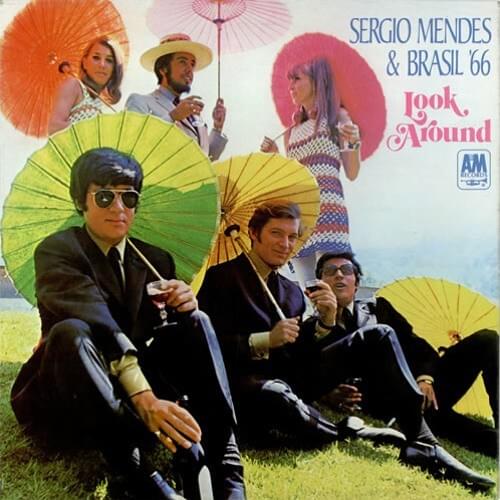
 View Artist