Song Meaning
The lyrics paint a starkly immediate picture of a sudden, violent death interrupting an ongoing, perhaps mundane, event. The opening lines juxtapose the slow progression of a procession with the immediate chaos of a drunkard's outburst, and a discussion with a death certificate. This rapid escalation from ordinary life to fatal finality is jarring, highlighting the unpredictable nature of violence.
The central tension lies in the stark contrast between the life that was happening and the abrupt end it met, coupled with a chillingly detached observation of its aftermath. The phrase "Pobre instante, pobre morte" (Poor instant, poor death) suggests a fleeting, almost insignificant moment of demise, further emphasized by the narrator's assessment: "Esse rapaz nunca teve grande sorte" (That boy never had much luck). This framing minimizes the tragedy, reducing a life to a matter of misfortune.
The most striking craft element is the relentless, almost percussive rhythm of the short, declarative lines, especially in the latter half. The repetition of "Pelo menos vem no jornal" (At least it's in the newspaper) acts as a dark, ironic refrain. It suggests that the only validation or recognition this life and death receive is its brief appearance in the local news, a fleeting item of "local news" that offers no real solace or meaning.
This lyrical approach is effective because it mirrors the shock and desensitization often associated with news of violence. The clipped phrases and the recurring, almost dismissive, final lines create a sense of brutal finality and societal indifference. The lyrics don't offer comfort; instead, they present a raw, unvarnished glimpse into how quickly a life can be extinguished and forgotten, reduced to a headline.
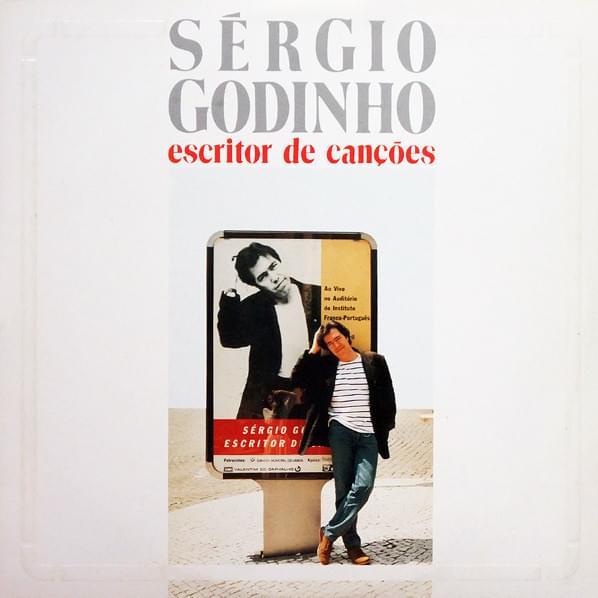
 View Artist