Song Meaning
The lyrics paint a picture of a late-night encounter that feels like a fleeting apparition, only to dissolve into a profound sense of solitude. The narrator is left with an emptiness, a quiet that no one else seems to be around to break. This isn't just loneliness; it's a specific, almost tangible absence after a moment of connection.
The core tension lies in the contrast between the intense, albeit brief, connection and the subsequent, amplified isolation. The line "P'ra dar corda ao brinquedo" suggests a playful, perhaps even physical, interaction, yet it's immediately juxtaposed with the idea that "agora ainda era cedo" – a sense of time being both too late for the encounter and too early for anything to truly begin or fill the void. The narrator acknowledges a shared, unspoken understanding: "Não me fugiste nem eu te fugi," implying a mutual, unforced parting.
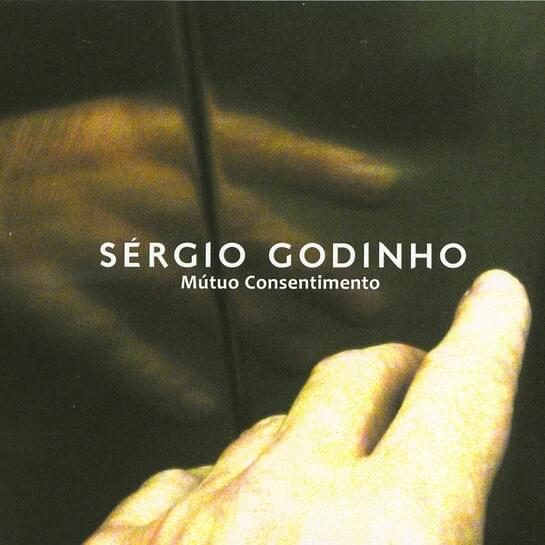
The most striking element is the repetition of "Mútuo consentimento" (mutual consent), framing the entire experience. This phrase elevates the encounter beyond a simple hookup; it was an agreement, a shared moment of willing participation. This mutual acknowledgment makes the subsequent "desaparição de ti" (disappearance of you) feel even more profound, as if the shared reality of the moment dissolved into thin air, leaving only the echo of consent and the stark reality of solitude.
This lyrical construction is effective because it grounds an abstract feeling of loneliness in a very specific, almost transactional, moment of connection. The power comes from the implication that the very mutual agreement that defined the encounter also sealed its ephemeral nature, leaving the narrator to grapple with the quiet aftermath. The lyrics don't just describe being alone; they describe the specific silence that follows a shared, consensual moment.
 View Artist