Song Meaning
The lyrics paint a vivid picture of exhaustion and a desperate grounding after a period of perceived flight. The opening lines, "Farto de voar / Pouso as palavras no chão," immediately establish a weariness with abstract or perhaps aimless movement, choosing instead to settle into a tangible, sensory experience like entering the sea and feeling the salt. This shift from the ethereal to the visceral suggests a profound need for connection to something real, even if that reality is harsh.
The central tension lies in the recurring image of being "espetado" – impaled or stuck – in various aspects of life: a boat, a body, a room. These are not static states but precarious balances, "suspenso por fios" or "balas" or "água." This precariousness is amplified by the repeated descent: "a cair / No arpão," "a escapar / De raspão," and "a cair / No alçapão." The repetition of these falling phrases and the sharp, final "arpão," "raspão," and "alçapão" underscores a feeling of being trapped in a cycle of near-misses and inevitable collapse.
The most striking craft element is the parallel structure that contrasts the abstract "espetado" state with a simultaneous movement of escape or falling. The "barco na vida," "corpo na morte," and "quarto na fome" are all held together by fragile means, yet they are also in a state of flux, either escaping "de raspão" or falling "no arpão." This creates a disorienting sense of being simultaneously stuck and in motion, alive and yet constantly on the brink of being caught or succumbing to the very things they are impaled by.
Ultimately, these lyrics resonate because they articulate a profound sense of being overwhelmed and the difficult, often painful, process of trying to find solid ground. The imagery of being impaled and falling, juxtaposed with the desire to "trago nos bolsos a paz" and open "janelas para terra," captures the struggle between forces pulling one down and the desperate attempt to find stability and peace amidst chaos. The sharp, percussive endings to each stanza hammer home the feeling of being constantly on the edge.
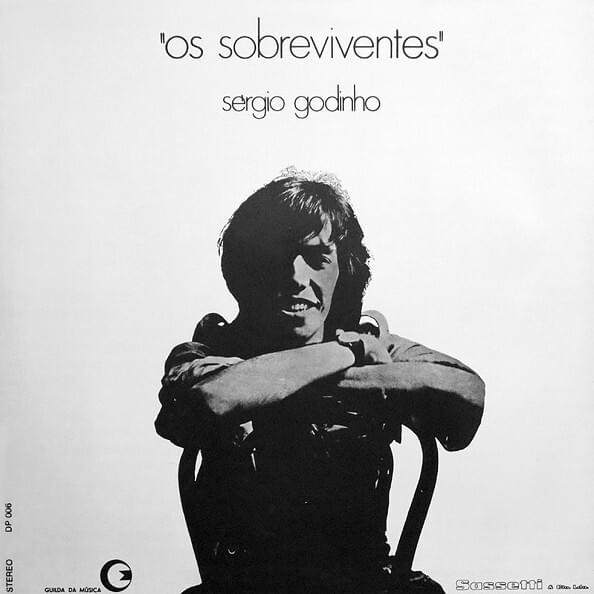
 View Artist