Song Meaning
The lyrics paint a vivid picture of a Tuesday morning, specifically at the "feira da ladra" (flea market), which opens before dawn. This early hour and the market's name suggest a place where discarded or second-hand items are sold, setting a tone of melancholy and perhaps desperation. A young woman descends stairs rapidly, ready to sell off her emotional burdens – "mágoas ao desbarato" (sorrows at bargain prices), false promises, bitterness, and illusions. The imagery of "trapos e cacos e contradições" (rags and shards and contradictions) emphasizes the brokenness and fragmented nature of what she's trying to unload.
The central tension lies in the contrast between the bleakness of the present and a hopeful, albeit uncertain, future. The narrator notes that "das cinzas talvez / Amanhã que é quarta-feira / Haja fogo outra vez" (from the ashes, perhaps / Tomorrow, which is Wednesday / There will be fire again). This suggests a cyclical nature of hardship and renewal, where even after destruction, a spark might reignite. The heart, described as "incapaz / De dizer, 'Tanto faz'" (incapable / Of saying, 'Whatever'), is compelled to fight for peace, highlighting an internal struggle against apathy and despair.
The most striking craft element is the personification of abstract emotions and brokenness. The "feira da ladra" becomes a repository for these intangible items, and the woman's "lamento" (lament) left on the ground is described as rising, spinning, and playing blind man's buff with the wind. This "lamento" is presented as universal, belonging to everyone yet yielding to no one, a poignant metaphor for shared human suffering that persists and moves independently of individual will.
Ultimately, the lyrics resonate because they capture the quiet desperation of trying to divest oneself of pain and the enduring, almost involuntary, human spirit that persists even when surrounded by fragments of past hurts. The market, a place of exchange, becomes a stage for shedding emotional baggage, and the lingering lament, carried by the wind, speaks to a collective, untamed sorrow that is both deeply personal and universally felt.
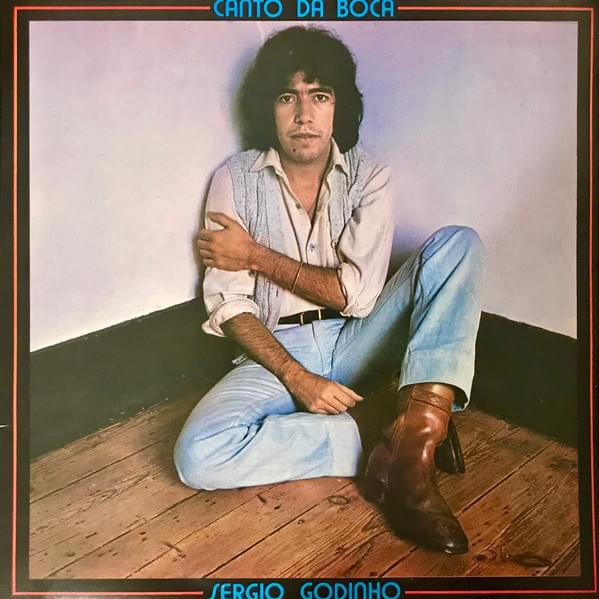
 View Artist