Song Meaning
The lyrics paint a stark contrast between a past of profound desolation and a present brimming with vibrant life, all pivoting on the arrival of a figure named Maddalena. Initially, the narrator describes "giorni neri" (black days) where they felt "come morto" (like dead), lacking both love and hate, and utterly abandoned by the person they sought. This period was marked by poverty, "giorni magri" (lean days), where they had "solo te" (only you) but received no help, and "giorni vuoti" (empty days) filled with "canzoni senza parole" (songs without words).
This bleak existence is dramatically overturned with the advent of Maddalena. The "giorni neri" transform into "giorni allegri" (happy days), and the "giorni magri" become "giorni grassi" (fat days), signifying a complete reversal of fortune and emotional state. The narrator now experiences joy, time flies, and the "quaresima" (Lent) is over, suggesting a release from a period of suffering and deprivation. Maddalena is explicitly credited with bringing this change, gifting "notti bianche" (sleepless nights) which, in this context, imply nights of revelry and excitement rather than distress.
The lyrics powerfully employ repetition and direct address to underscore this transformation. The recurring phrases "Erano giorni..." (They were days...) and "Ora son giorni..." (Now are days...) create a rhythmic pulse that emphasizes the before-and-after. The shift from pleading with the absent "tu" (you) to celebrating Maddalena, who has effectively erased the former from memory – "Tu non esisti più" (You don't exist anymore) – highlights the profound impact of this new presence. The narrator's declaration, "Non ricordo più i tuoi occhi" (I don't remember your eyes anymore), is a potent image of moving on, the past love or dependence completely supplanted.
Ultimately, the effectiveness of these lyrics lies in their directness and the clear emotional arc they trace. The simple, declarative statements about past suffering and present joy, coupled with the celebratory exclamations of "Viva Maddalena!" and "Viva la gioventù!" (Long live youth!), create an infectious sense of liberation and newfound happiness. The imagery of fat and lean days, and the symbolic end of Lent, ground the emotional uplift in tangible metaphors, making the narrator's ecstatic state feel earned and deeply felt.
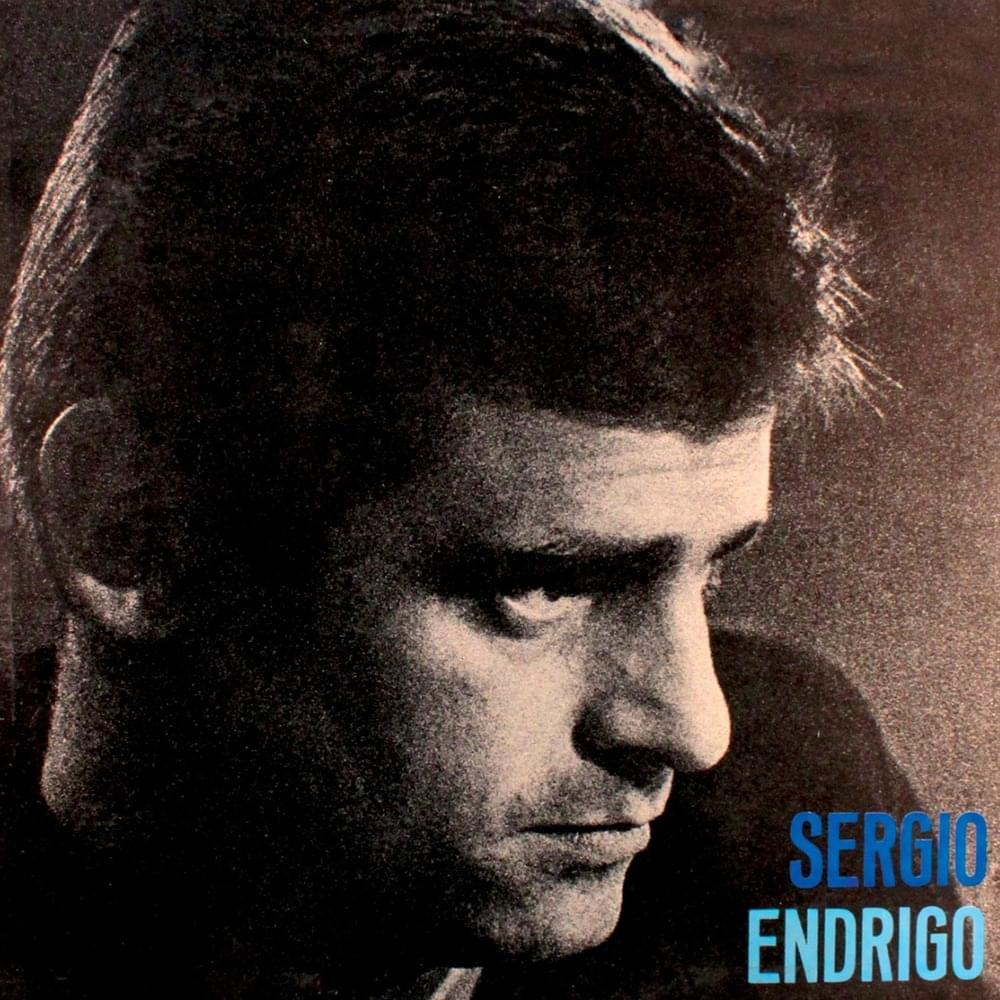
 View Artist