Song Meaning
This track opens with a stark declaration of what remains after a separation: a measure from Bonfim that proved useless, but crucially, a Pixinguinha record. The narrator is divesting, keeping only a piece of art while the other person claims the rest of what was once a shared home. It’s a calculated, almost transactional, division of remnants, setting a tone of pragmatic finality.
The core of the song lies in the narrator’s deliberate refusal to succumb to emotional display or demand recompense for the damage inflicted. They explicitly state they won't provide the “enorme prazer de me ver chorar” nor will they tally the cost of the “estragos” on their “peito tão dilacerado.” This isn't about passive suffering; it's an active choice to withhold the satisfaction of seeing them broken, even while acknowledging deep hurt.
The lyrics cleverly weave in specific, almost mundane details that carry significant weight. The request to return a Neruda book “que você me tomou / E nunca leu” is a sharp jab, highlighting a lack of genuine engagement and perhaps a superficiality in the past relationship. It’s a small act of reclaiming intellectual or emotional property that was never truly appreciated by the recipient, contrasting with the narrator’s own deep connection to their Pixinguinha record.
Ultimately, the effectiveness of these lyrics stems from their unflinching portrayal of a painful exit managed with a cool, almost defiant, composure. The final lines, “Eu bato o portão sem fazer alarde / Eu levo a carteira de identidade / Uma saideira, muita saudade / E a leve impressão de que já vou tarde,” capture a complex mix of quiet departure, lingering affection, and a sense of urgency, suggesting that moving on, though painful, is long overdue.
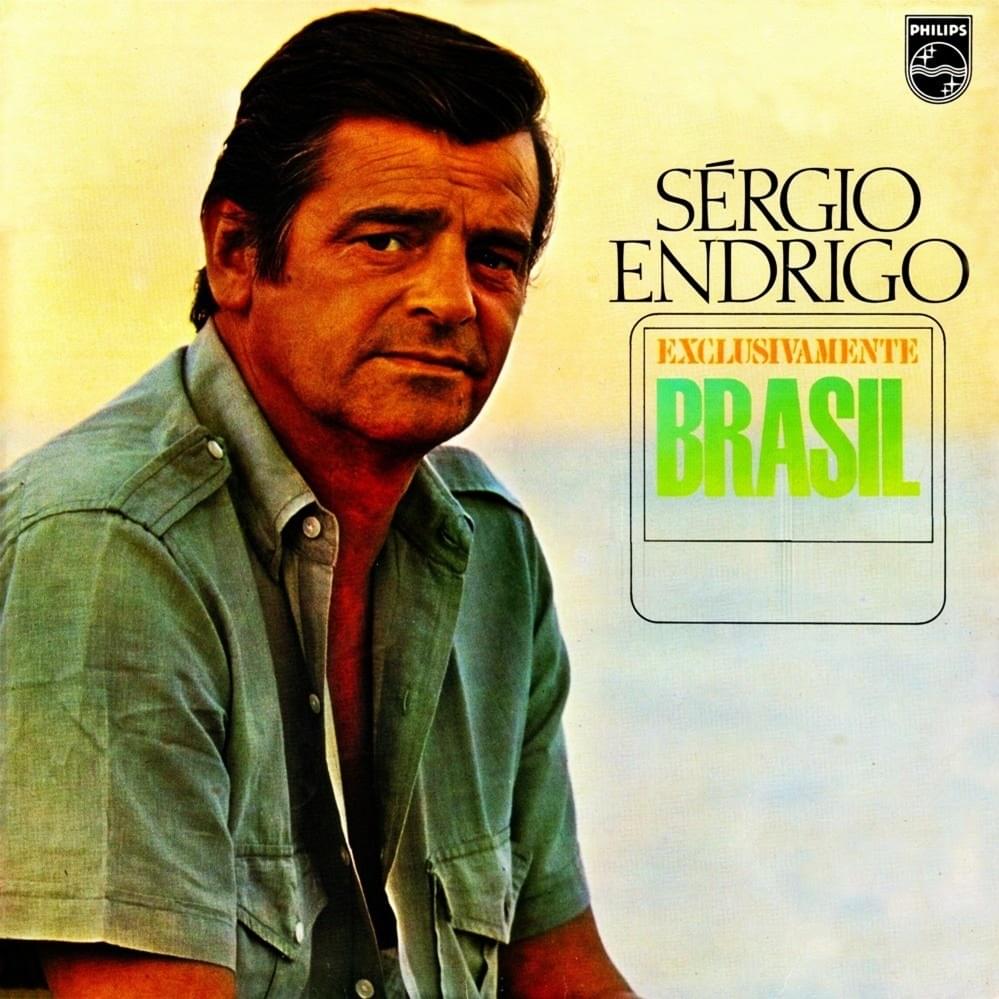
 View Artist