Song Meaning
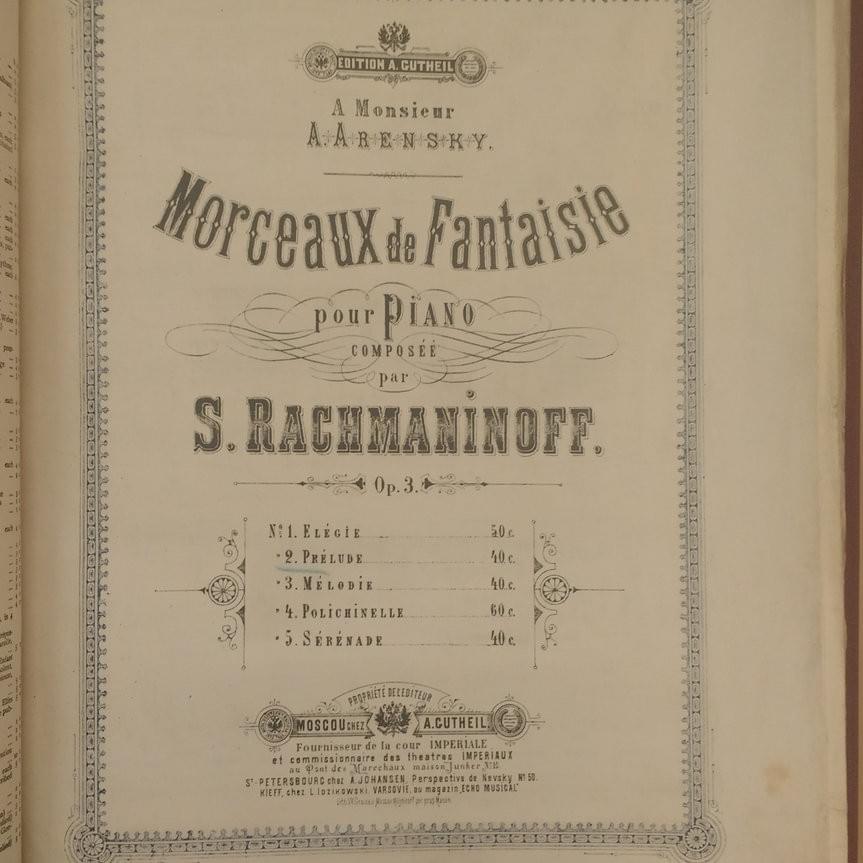
This piece, titled "Élégie in E-flat minor (Op. 3, No. 1)", is presented as purely instrumental. The absence of lyrics means its emotional landscape is conveyed entirely through musical elements like melody, harmony, rhythm, and timbre. The title itself, "Élégie," suggests a mournful, reflective, or sorrowful character, hinting at a narrative of loss, remembrance, or deep sadness.
Without words, the music must carry the full weight of expression. The choice of E-flat minor, a key often associated with profound emotion and melancholy, further reinforces the elegiac mood. Listeners are invited to project their own experiences and feelings onto the sonic tapestry, finding personal meaning in its unfolding phrases and harmonic progressions.
The structure and development within the instrumental composition would be key to understanding its emotional arc. A skilled composer uses dynamics, tempo, and thematic variation to build tension, express despair, and perhaps offer moments of solace or resignation. The "Op. 3, No. 1" designation indicates it's an early work, potentially revealing the composer's nascent exploration of these profound emotional themes through purely musical means.
Ultimately, the effectiveness of this piece lies in its ability to evoke a powerful emotional response through abstract sound. It bypasses literal narrative to tap into a more primal, universal language of feeling, allowing the listener's imagination to paint the specific scenes and stories that the music brings to mind.
 View Artist