Song Meaning
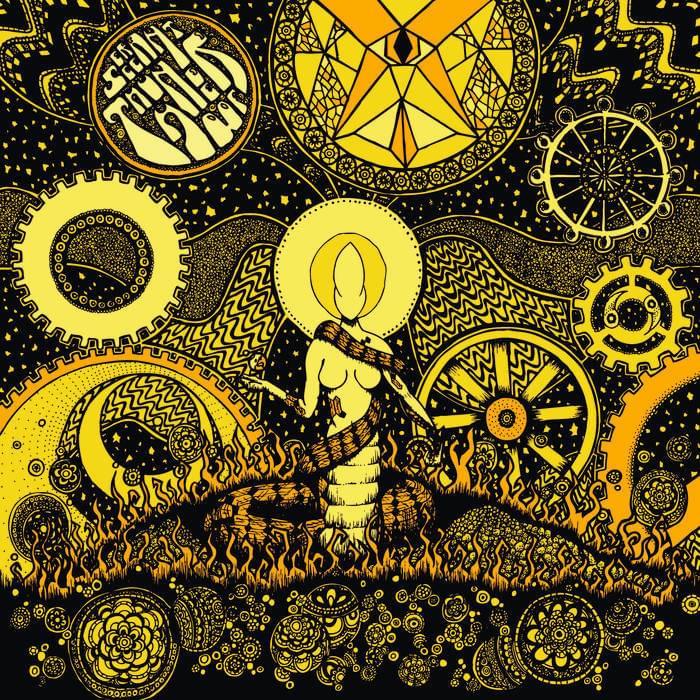
The lyrics paint a picture of intense, almost cosmic anxiety, where the narrator feels the pressure of "a thousand suns" and the weight of a profound, shared struggle. There's a sense of separation, with a wish for a future reunion where breathing freely is possible again, suggesting a current state of suffocation or oppression. This sets a tone of desperate hope amidst overwhelming circumstances.
The central tension arises from the conflict between perceived reality and truth. The narrator questions whether revealing that what is sought is an "illusion" and "lies" would prompt the listener to turn away, particularly from their own reflection. This suggests a deep-seated denial or a comfortable falsehood that the narrator is challenging, creating a rift between self-deception and uncomfortable revelation.
A striking contrast emerges between the desire to "rise up" and the resigned observation that the listener will "fall." This isn't just about personal ascent; it's tied to the "footsteps of a thousand suns" and a "path of the righteous buried below," implying a cyclical, perhaps destructive, pattern of history or belief. The "prison within you" further emphasizes internal limitations as the source of this stagnation.
The lyrics gain their power from this push-and-pull between liberation and entrapment. The repeated call to "move the other way" and the defiant "Oh yeah! We'll rise up!" directly confront the inertia and the "lies" offered by a "moral majority." The final invocation, "Om Asato ma sad gamaya," grounds this personal and societal struggle in an ancient plea for guidance from untruth to truth, from darkness to light, and from mortality to immortality, giving the contemporary conflict a timeless resonance.
 View Artist