Song Meaning
The lyrics paint a stark picture of a divine or powerful entity observing humanity's self-destructive tendencies. It begins by establishing a creator-creation dynamic, where the "gods" acknowledge their existence is tied to human belief. Yet, there's a profound disconnect; humanity "disdain[s] humanity" and commits "crimes" in the name of these very gods, a paradox that fuels the central tension.
The core conflict lies in humanity's violent actions performed under a misguided sense of divine mandate. The narrator, speaking for these "gods," questions why people "kill in our names" and inflict suffering, expecting "great reward" for their "madness." This highlights a desperate human need for justification and an afterlife, even as the lyrics suggest such rewards are "illusive lies."
The recurring imagery of "oceans of ruby" and the "dark sea" is particularly striking. "Ruby" evokes blood, suggesting the immense bloodshed humanity inflicts. The phrase "We never cried for pain" implies the gods are detached observers, unaffected by human suffering, while the victims "sadly died in vain." This contrast underscores the futility of human violence when viewed from a higher, perhaps indifferent, perspective.
Ultimately, the effectiveness of these lyrics stems from their unflinching portrayal of human hypocrisy and self-deception. The narrator's tone is not one of anger, but of weary observation, highlighting the tragic irony of humanity creating gods only to use them as an excuse for their worst impulses. The repeated refrain hammers home the message of wasted lives and the emptiness of the promised rewards, leaving the listener with a chilling sense of existential dread.
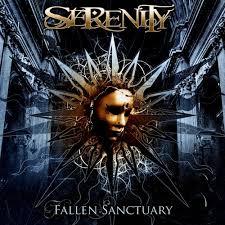
 View Artist